· Skinlazia team · Guides · 8 min read
Best Malassezia Safe Oils: 4 Picks, Zero Flags
Four malassezia safe oils with one ingredient each and zero flags, from two MCT oils to two squalanes, plus how to use them without overdoing it.
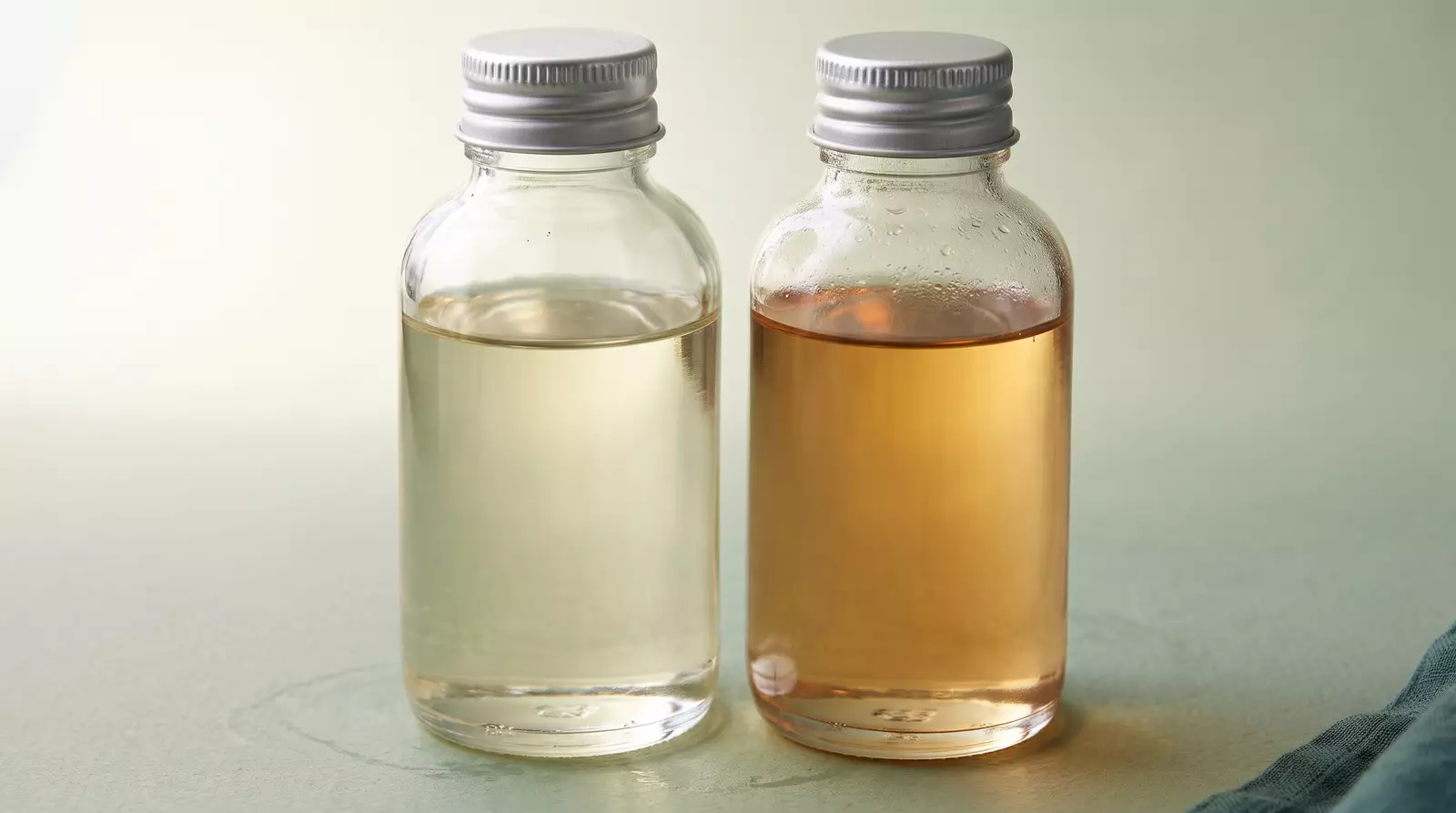
The best malassezia safe oils for most people are the single-ingredient ones whose entire list the dataset can read in one line, which is why every pick here is either a pure MCT oil or a pure squalane. Each of the four products below carries one INCI name and zero flagged ingredients, so the choice comes down to texture, bottle size, and how you plan to use it. Every listing was checked line by line against our full ingredient dataset, and the two MCT oils sit first because they suit both the face and the scalp.
See our medical disclaimer for details.
As an Amazon Associate I earn from qualifying purchases.
Quick picks
| Product | Best for | Texture | Checked / Flagged | Amazon |
|---|---|---|---|---|
| Organic MCT Oil 32 fl oz | Face and scalp, large bottle | Thin, dry-touch oil | 1 / 0 | Amazon |
| MCT Oil 32 fl oz | Face and scalp, large bottle | Thin, dry-touch oil | 1 / 0 | Amazon |
| 100% Plant-Derived Squalane 30ml | Face, small dropper bottle | Light, silky oil | 1 / 0 | Amazon |
| 100% Squalane Oil 3.3 oz | Face and body, larger bottle | Light, silky oil | 1 / 0 | Amazon |
The counts are the whole audit: one name read, none flagged. A short list is not automatically a good one, since a single ingredient can still be a trigger, which is exactly why each name gets checked rather than trusted. The catalog holds only oils that pass with no flags of any tier, so the full current set is the four in the table and nothing is hiding in a second section. If a bottle you own is not here, that says nothing about it either way until you run its INCI list through the checker.
Viva Naturals Organic MCT Oil 32 fl oz
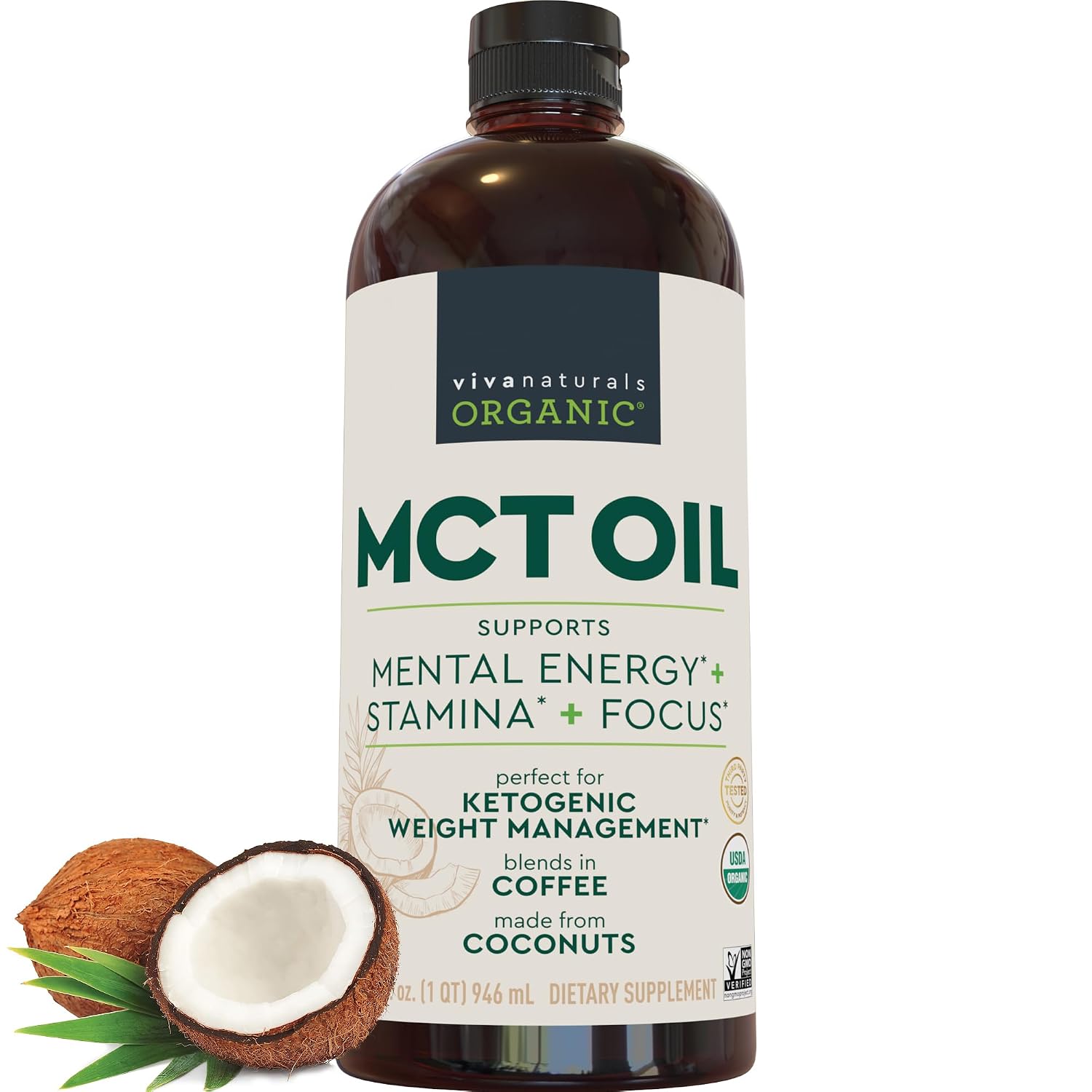
The first pick is the plainest expression of the idea: one ingredient, caprylic/capric triglyceride, which carries no known trigger, and nothing else in the bottle. That name is the cosmetic way of writing MCT oil, the fraction of coconut or palm kernel oil made of 8- and 10-carbon fats, and the dataset counts those short chains as below the range this yeast can take up. The texture is thin and nearly dry once it warms on skin, which makes it the easier of the two oil types to press over a moisturizer without a heavy film. The honest trade-off is the packaging, because this is a 32 fl oz food-grade bottle with no dropper, so you will decant it into something smaller for facial use and the label itself is not aimed at cosmetics.
NOW Sports MCT Oil 32 fl oz
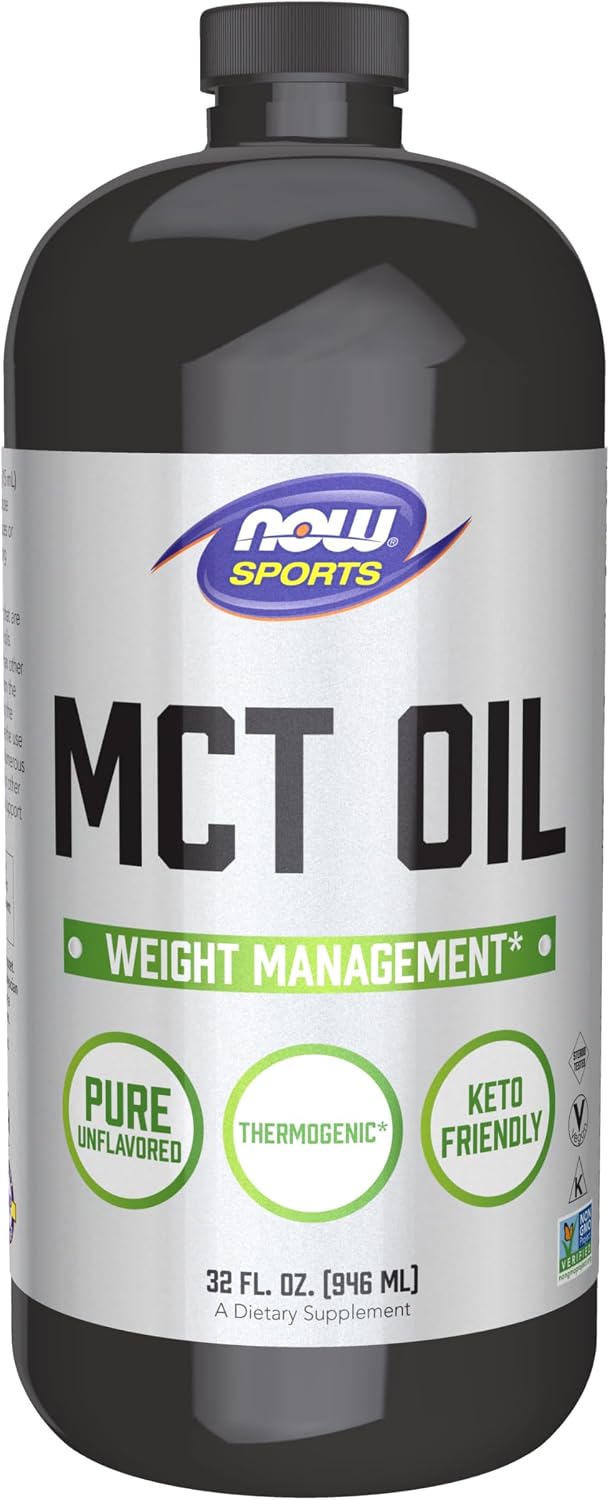
This is the same single ingredient, caprylic/capric triglyceride, which carries no known trigger, in the same 32 fl oz format, and the choice between the two MCT bottles comes down to which one is in stock rather than to the formula. The dataset finds no second name to question. The feel is equally thin, so it behaves the same way on the face and the scalp, and a 32 fl oz bottle is far more oil than a facial routine needs, which makes decanting part of using it. The honest trade-off is that this is sold as a food product rather than a cosmetic oil, so the bottle is not built for dropper dispensing and the label carries no skincare directions.
The Ordinary 100% Plant-Derived Squalane 30ml
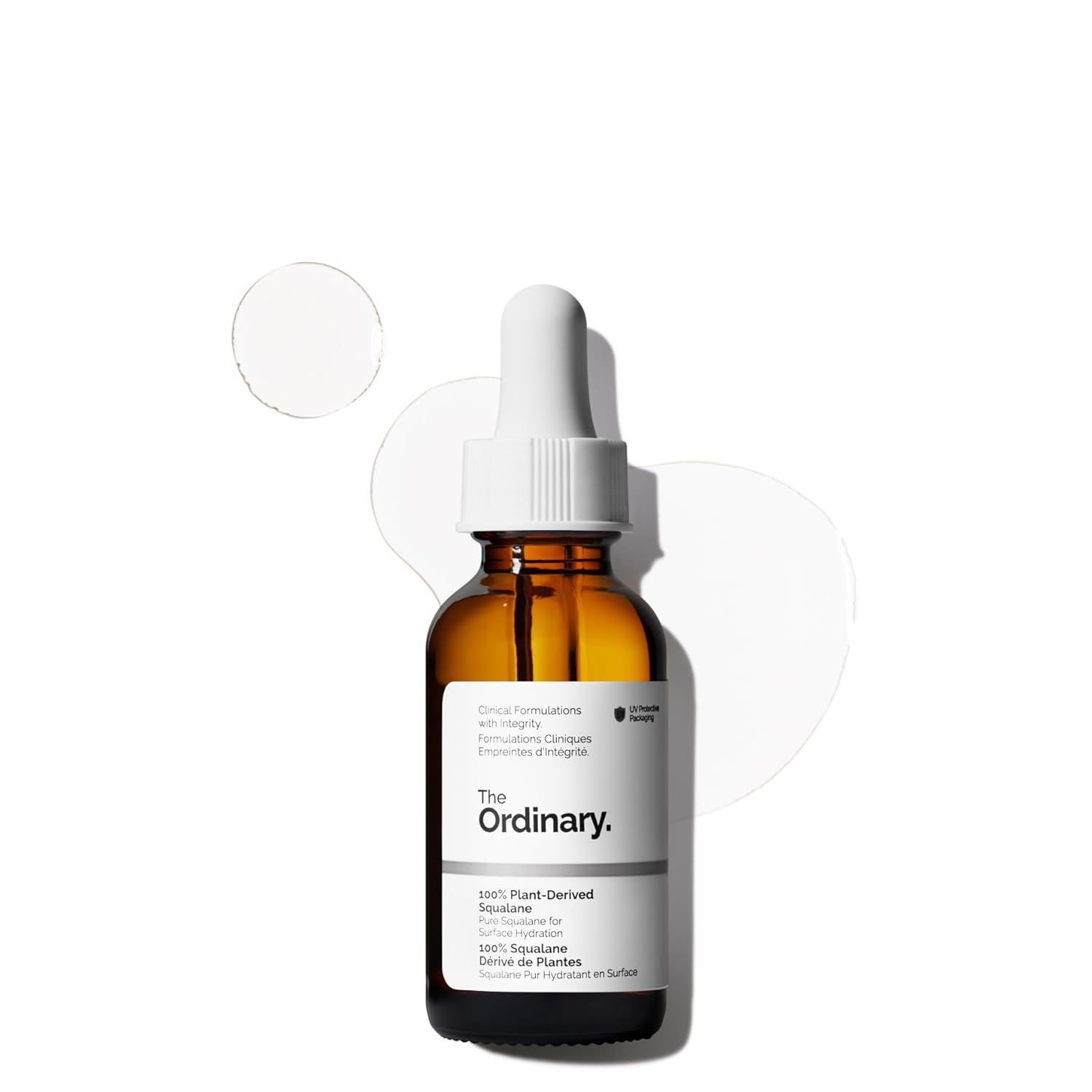
This is the first of two squalanes, and its only listed ingredient is squalane, which carries no known trigger, in the small dropper bottle that most people picture for facial oil. The dataset’s note explains why the spelling matters, because the saturated version has no double bonds for this yeast’s chemistry to use. It feels silkier than MCT and spreads further, so two or three drops cover the face, and it layers well under a night moisturizer. The honest trade-off is size and finish, because 30 ml goes quickly if you use it on the body too, and the silky film is more noticeable on very oily skin than the drier MCT oils.

Biossance 100% Squalane Oil 3.3 oz
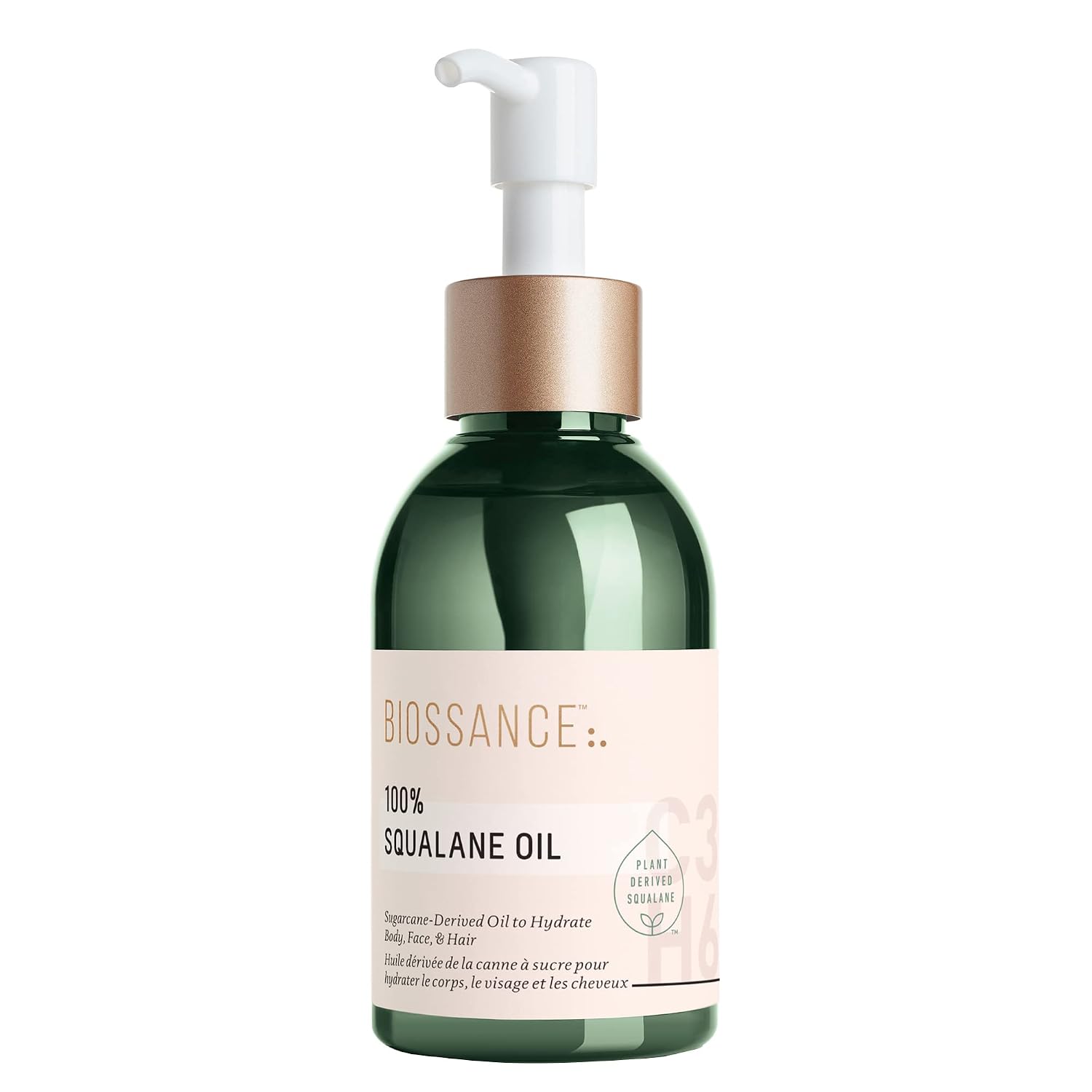
The second squalane is the larger bottle, and its only listed ingredient is squalane, which carries no known trigger, so the formula question is settled before texture enters the picture. It has the same light, silky spread as the other squalane pick and enough volume to use on the neck, chest, and body without rationing. That makes it the fit for someone who already knows squalane suits their skin and wants one bottle for several areas. The honest trade-off is that a bigger bottle is more oil than a face-only routine needs, and the finish is still an oil film, so anyone who dislikes that feeling should stay with the MCT picks.
How should you use an oil if you have fungal acne?
Use it as the last step at night, after whatever hydrating layer you already trust, and keep the amount small enough that the skin still feels like skin. An oil is an occlusive, which means it slows moisture loss rather than adding moisture, so it cannot replace a humectant moisturizer and works best on top of one. The routine that suits most people is short:
- Cleanse first, then apply your moisturizer while the skin is still damp.
- Warm two or three drops between your palms and press them over the face.
- Start at night, because daytime oil can feel heavy under sunscreen.
- For the scalp, part the hair and apply a few drops before you wash.
Two or three drops is a real amount, not a cautious drizzle, and more than that mostly ends up on the pillowcase. If your skin is very oily, the MCT oils are the easier place to start because they dry down more than squalane does. If it is dry or tight, squalane gives the more comfortable seal, and you can still keep the layer thin.
If you have not used either oil before, test it on a small patch along the jaw for a few nights before pressing it over the whole face, because a product with no known triggers can still disagree with your skin for reasons the yeast scan does not cover. Keep the rest of the routine unchanged while you test, so a reaction has one possible source rather than five. Neither oil replaces anything a dermatologist has prescribed, and the goal here is simply a layer that seals moisture without handing the yeast an easy meal.
Does the name on the bottle matter more than the oil type?
For this question, the INCI name matters more than the front label, and the front label is where most confusion starts. Fractionated coconut oil, MCT oil, and caprylic/capric triglyceride can all describe the same short-chain ingredient, while a bottle called coconut oil is a different ingredient with a different verdict. Coconut oil carries a Trigger · moderate evidence label, because its lauric and myristic fats fall inside the yeast’s usable range, and olive oil carries a Trigger · strong evidence label as the textbook growth oil. Those two are the clearest examples of why a natural oil is not automatically a better one for this skin.
How we picked
Every INCI line of each candidate was read against our full ingredient dataset, and only oils with zero flagged names made the list. All four happen to be single-ingredient products, which makes the audit short but not automatic, because a one-line list can still fail if that line is a yeast-edible fat. The method, the evidence levels, and the difference between a flag and a plain irritation are set out on our methodology page. The catalog is also deliberately short: only oils that pass with no flags of any tier are listed, so a product that stops qualifying is removed rather than parked in a separate section.
What to avoid
The short version of what fails is any oil built on longer-chain fats, because the yeast’s enzymes can split those into food. That covers most kitchen oils and many natural beauty oils, from olive and coconut to sweet almond and argan. For the full list with a reason per name, read ingredients to avoid for fungal acne rather than repeating it here, and remember that the same logic applies to esters and emulsifiers, not just to bottles labelled oil. The synthetic esters that make an oil feel silky deserve the same reading, and isopropyl myristate carries a Trigger · moderate evidence label because the yeast’s lipases can snip the ester apart and free a fat it can use. A product that lists an oil, an ester, and a fragrance gives the scan three separate things to read, which is why a long list is not automatically worse and a short list is not automatically better.
How to check your own shelf
Paste any full INCI list into our ingredient checker and read each verdict, because the exact name on the label decides more than the category does. The app does the same on a shelf while you shop, and the complete catalog of oils with no known triggers lives on one page. If a product you already own is not on this page, the checker is still the deciding step, and the result is information rather than a judgment about you.
Quick answers
Which malassezia safe oils suit both the face and the scalp?
The two MCT oils do, because caprylic/capric triglyceride is thin enough to press over the face and to run along the scalp before washing. Squalane works on the face but leaves more of a film, which some people dislike in the hair.
Are malassezia safe oils the same thing as a moisturizer?
No. An oil is an occlusive that slows moisture loss, while a moisturizer usually adds humectants that bind moisture first. Layer the oil over your moisturizer instead of using it as a replacement.
Is squalane a malassezia safe oil?
The dataset lists squalane with no known trigger, and both squalane picks here carry that single ingredient. The spelling matters, because squalane is the saturated form and has no double bonds for this yeast's chemistry to use.
Can I use fractionated coconut oil?
Fractionated coconut oil is another name for caprylic/capric triglyceride, the same short-chain ingredient as MCT oil. Plain coconut oil is a different ingredient and carries a Trigger · moderate evidence label, so read the INCI name rather than the front label.
Is this medical advice?
No. We screen ingredient lists and never diagnose. If you are unsure whether your bumps are fungal or bacterial, ask a dermatologist.