· Skinlazia team · Guides · 7 min read
Best Malassezia Safe Sunscreens: Checked Picks
Every catalog sunscreen with no known triggers, from mineral powders to a lightweight chemical fluid, each INCI line checked against our full ingredient dataset.
The best malassezia safe sunscreens are the ones whose full ingredient lists carry no known triggers, and every catalog sunscreen that clears that bar right now is checked here, from loose and brush-on mineral powders to a lightweight chemical fluid. Each pick was checked line by line against our ingredient dataset, then ordered by everyday fit. The powders reapply easily over makeup or bare skin, and you can run any other sunscreen you already own through the same check.
See our medical disclaimer for details.
As an Amazon Associate I earn from qualifying purchases.
Quick picks
| Pick | Best for | Format | Checked / Flagged | Amazon |
|---|---|---|---|---|
| Every Sun Day Sun Fluid SPF 50+ | Everyday checked pick | Fluid | 25 / 0 | Amazon |
| DERMA E powder | Sensitive skin that wants calming extras | Loose translucent | 17 / 0 | Amazon |
| Brush-on powder | Reapplying on the move, built-in brush | Brush-on | 22 / 0 | Amazon |
| Jane Iredale compact | The shortest list and a tinted finish | Tinted loose | 9 / 0 | Amazon |
Those rows are the three mineral powders, DERMA E Sun Protection Mineral Powder, Mineral Fusion Brush-On Powder Sunscreen and Jane Iredale Powder-Me Dry Sunscreen, plus the chemical-filter Dr. Jart+ Every Sun Day Sun Fluid. The checked and flagged counts come straight from the dataset scan, so the first number is how many names were read and the second is how many were flagged. The list stays short because it draws only from our checked catalog, and the full current set lives on the sunscreens with no known triggers page. A longer list would be easy to pad and harder to trust, so every product here has to earn its place.
Why are most of the picks mineral powders?
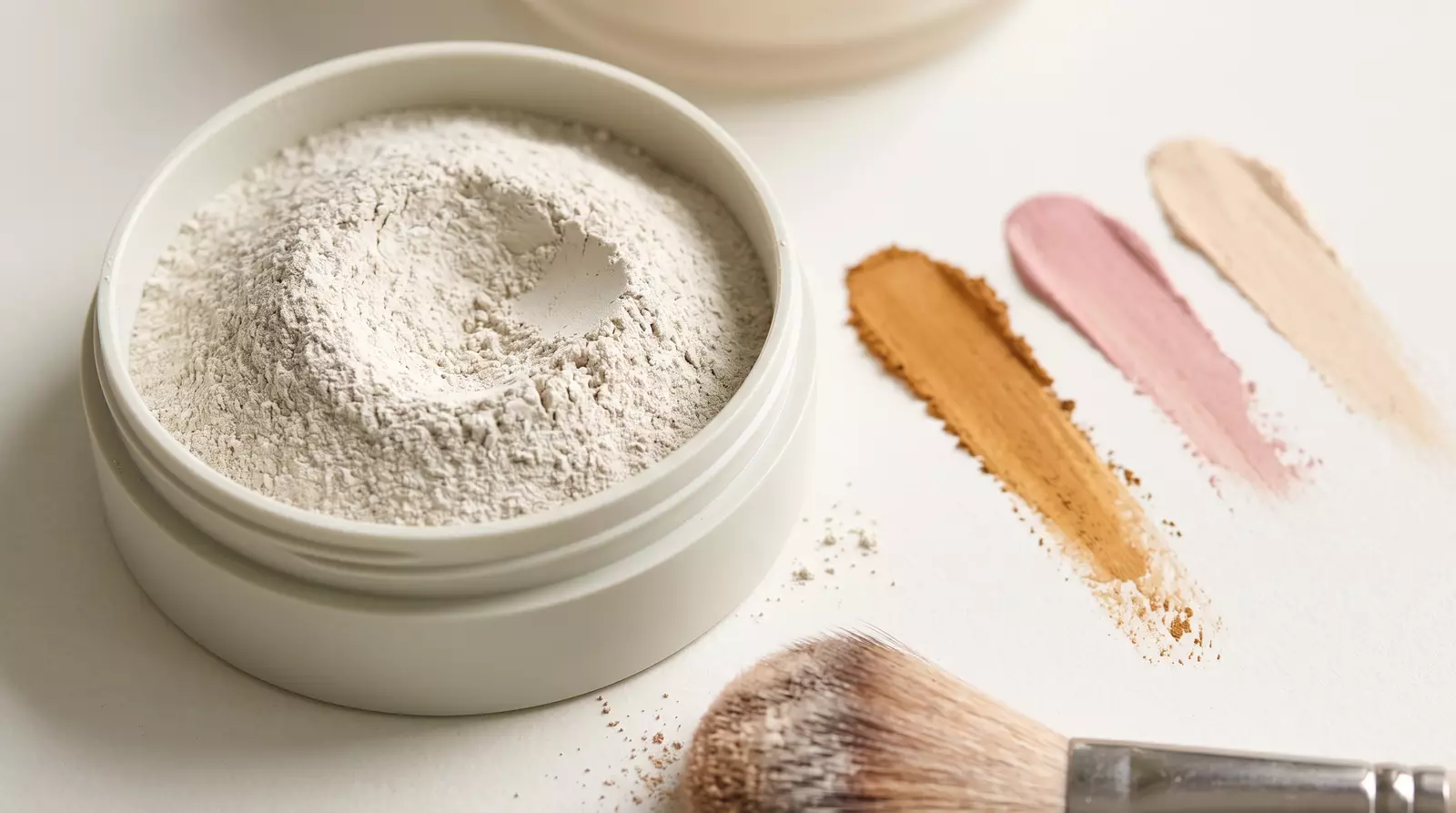
Most of the catalog’s qualifying sunscreens are loose and brush-on mineral powders, because the catalog only lists sunscreens whose full ingredient lists have been checked and the ones that clear the bar skew to powders; the remaining pick is a lightweight chemical fluid. Both of the two mineral UV filters are inorganic: zinc oxide is a barrier powder with no carbon chain, and titanium dioxide is a white pigment the yeast cannot metabolize at all. Because neither one dissolves into a fatty medium, a mineral formula has less to scan than a cream, which is part of why the picks below stay short.
The powder format also has a practical pull for anyone managing this on the face, since you can tap it over makeup or bare skin during the day without smearing a cream across your forehead. The trade-off is real though, and it applies to the powder picks: they need a brush or a puff and a generous pass to sit evenly, they give no hydration, and a translucent one adds no coverage at all.
DERMA E Sun Protection Mineral Powder SPF 30
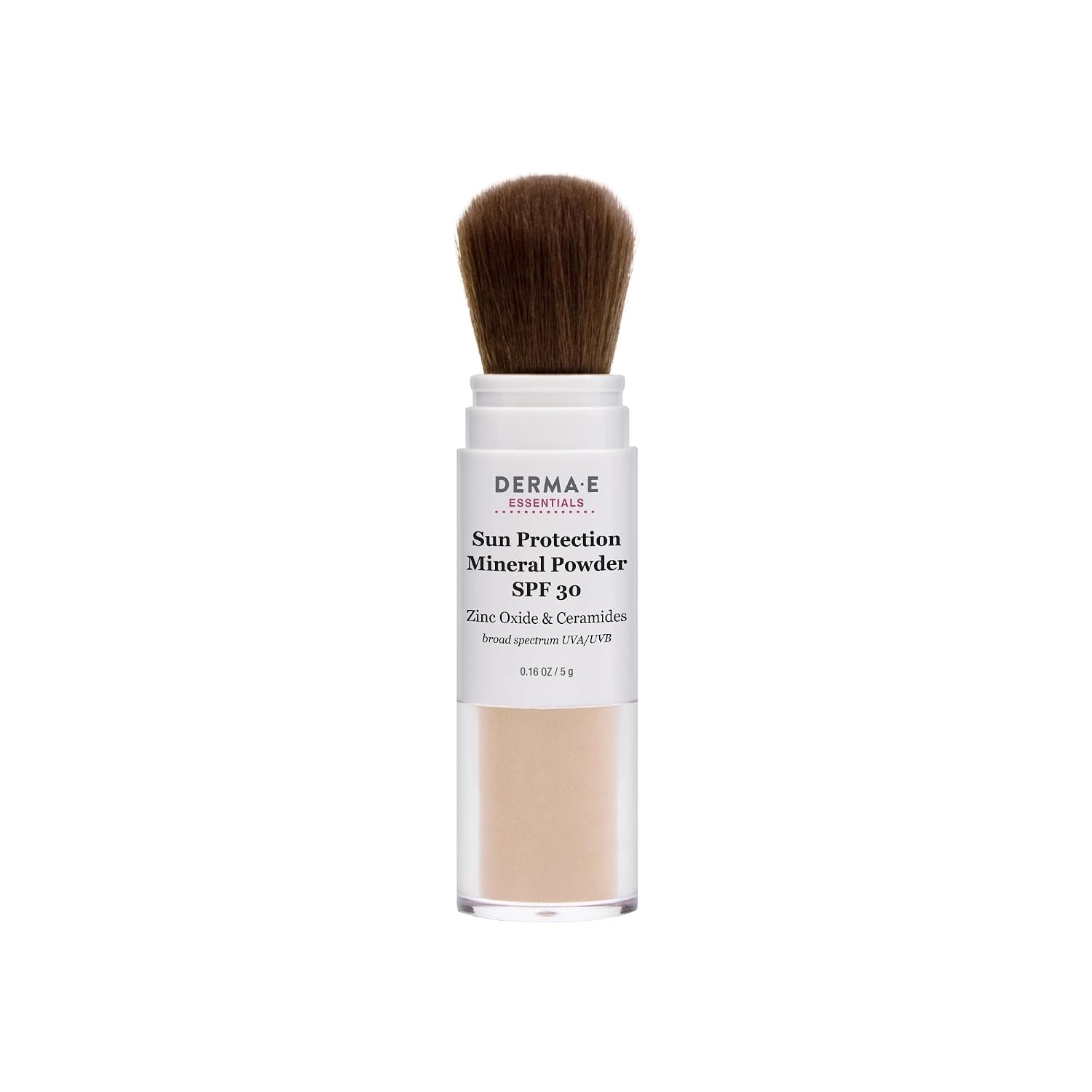
This is the calming powder pick because it pairs its mineral filter with a few ingredients the dataset reads closely and clears. The base is zinc oxide, and the powder also carries caprylic/capric triglyceride, the short-chain coconut-derived emollient the dataset reads as no known trigger, plus bisabolol, ceramide NP, and ascorbic acid, all of which carry no known trigger. It suits sensitive skin that wants a calming, barrier-minded powder rather than a plain pigment. The honest trade-off is that it is translucent, so it sets shine without adding the tinted coverage the last pick on this page gives you.
Mineral Fusion Brush-On Powder Sunscreen SPF 30
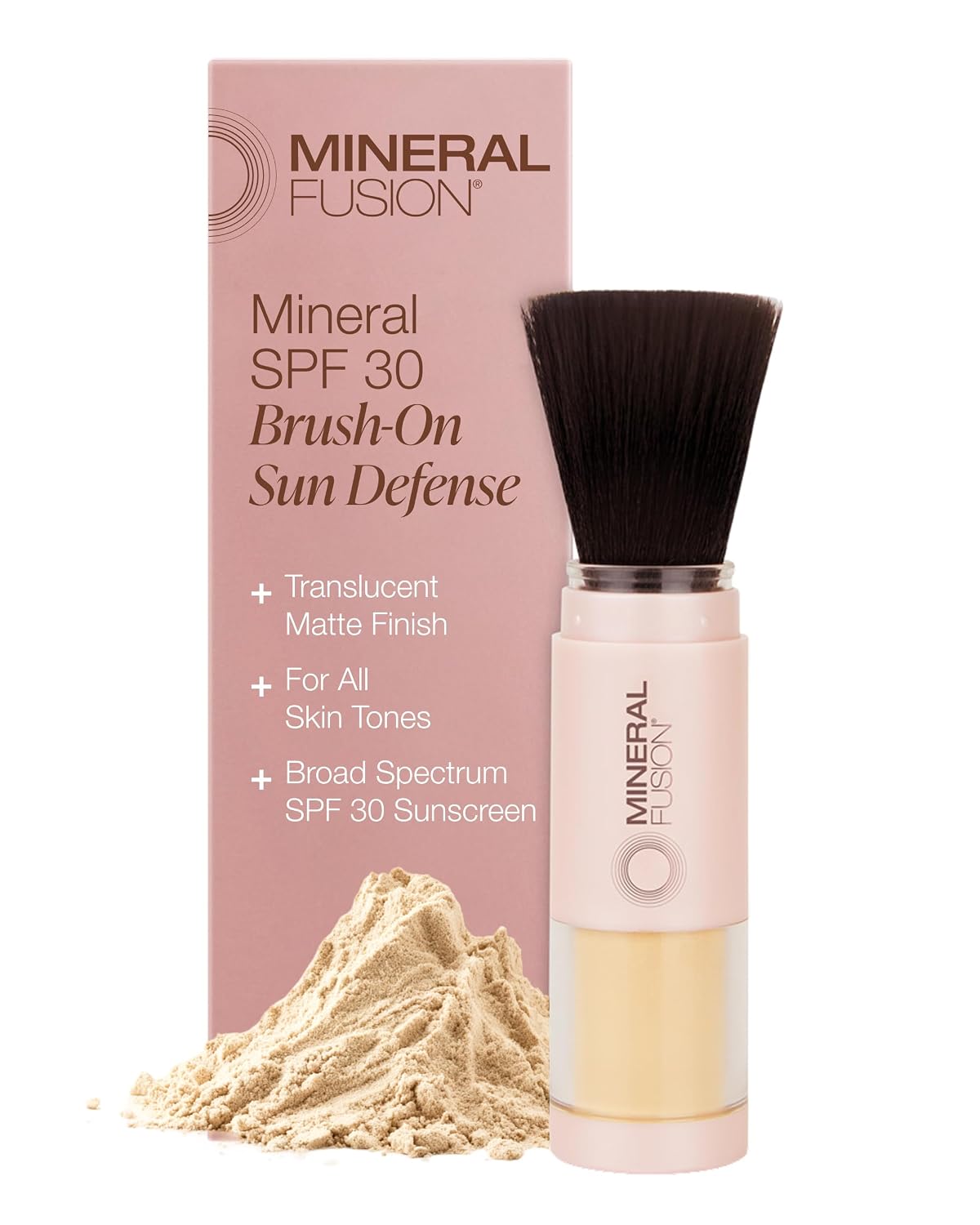
This is the reapplication pick, because the powder sits in a built-in brush so you can sweep it on without a mirror and without touching your face. It runs on zinc oxide too, and the list includes caprylic/capric triglyceride, tocopherol, and zinc PCA, each of which carries no known trigger, with silica and mica doing the slip and finish. It is the longest list here, and that is worth knowing. Both of its botanical additions, plankton extract and himanthalia elongata extract, are in our dataset and carry no known trigger.
Jane Iredale Powder-Me SPF 30 Dry Sunscreen Nude
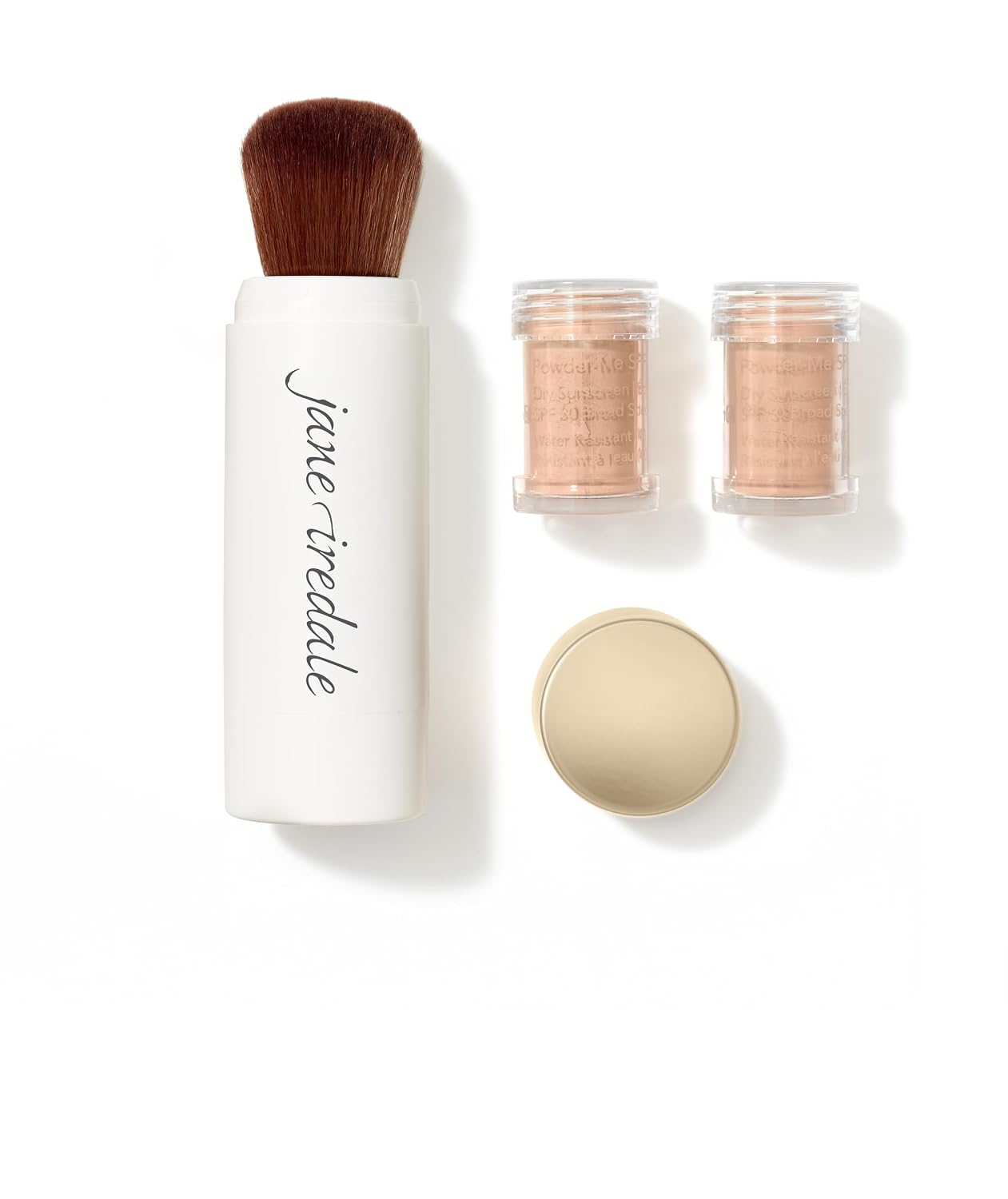
This is the minimalist pick and the only tinted one, a dry sunscreen powder with the shortest list on the page. It is built on titanium dioxide rather than zinc oxide, with mica and iron oxides giving the Nude shade its color, and each of those carries no known trigger. It suits anyone who wants the least to scan and a hint of coverage in one tap. The honest trade-off is twofold: the tint comes in a fixed Nude shade, and two of its botanical extracts have no entry in our dataset, so they stay unjudged instead of cleared.
Dr. Jart+ Every Sun Day Sun Fluid SPF 50+
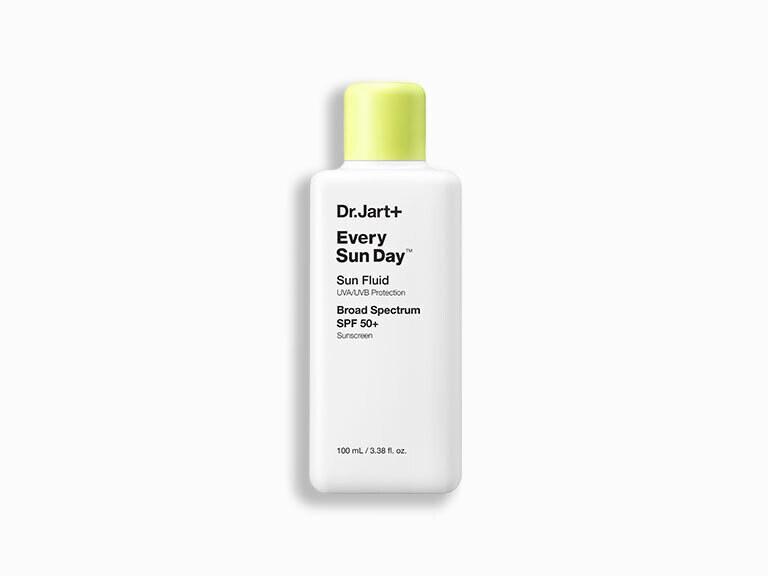
Dr. Jart+‘s Every Sun Day Sun Fluid SPF 50+ is the fluid pick, a lightweight chemical-filter formula with no known triggers in our scan, so it joins the list above. It runs on the common UV-filter esters the dataset clears rather than a mineral filter, and the checked and flagged counts sit on the product card, with the method behind them on our methodology page.
How we picked
Every INCI line of each candidate was read against our full ingredient dataset, and only sunscreens with zero flagged names made the list, which is why the page is short and why the picks are the ones they are. For contrast, the dataset flags coconut oil, isopropyl myristate, shea butter, and cetyl alcohol: whole oils, fatty-acid esters, and the waxy emulsifier built from a fat the yeast can use. The full method, including how strong the evidence behind each verdict is, sits on our methodology page.
What should you avoid in a malassezia friendly sunscreen?
The short answer is the same set of names that fails anywhere else on the face, so the real work is a full list with a reason beside each entry rather than one repeated here. Read ingredients to avoid for fungal acne for that list, and read any formula carrying those names as a question mark rather than an automatic no. The one sunscreen twist is worth its own section, because it trips up more people than any other name on a label.
Do ester sunscreen filters feed malassezia?
No, not by the dataset, and it spells out why for each filter, so an “avoid all esters” rule does not automatically rule out chemical sunscreens. Ethylhexyl methoxycinnamate is an aromatic cinnamate joined to a short, branched eight-carbon tail with no long fatty chain, and octocrylene, homosalate, and butyl methoxydibenzoylmethane each get the same reading for the same reason: the chain or the acid part stays short, branched, or aromatic, so there is no C11-or-longer fat for the yeast to take up. That is the verdict of our dataset, and it is not a recommendation to reach for a chemical filter over a mineral one. The mineral picks above contain no chemical filter, while the Dr. Jart+ fluid leans on the common chemical filters the dataset reads as no known trigger, and if you weigh that distinction for your own skin, a dermatologist is the right person to ask.
How do you check a sunscreen you already own?
Paste the full ingredient list into our ingredient checker and read each verdict, which is the step that matters more than this page because the exact names beat the category every time. The app does the same while you stand in a store, and you can see every sunscreen the catalog has cleared on the sunscreens with no known triggers page. If the bottle you love is not on this list, that says nothing either way about it, since reformulations change a list without changing the packaging.
Quick answers
Which malassezia safe sunscreen is best for the face?
The calming powder with a short, fully checked list is the easiest everyday pick, because it sets shine, layers over makeup, and every name on it cleared the dataset scan.
Are powder sunscreens enough for a full day?
A powder is the easiest format to reapply over makeup, and the trade-off is that it needs a generous pass to sit evenly and never replaces a hydrating layer underneath.
Are mineral sunscreens better than chemical ones for fungal acne?
Our dataset reads both mineral and the common chemical UV filters as no known trigger, so the deciding factor is the rest of the ingredient list, not the word mineral on the front.
Why is this malassezia safe sunscreen list so short?
It draws only from our checked catalog, and only catalog sunscreens with zero flagged names qualify. The catalog grows as products are researched, so the full set lives on the category page.
Does an ester in a sunscreen name mean it feeds malassezia?
Not on its own. The dataset clears the common UV-filter esters because their chain or acid portion stays short and branched, with no C11-or-longer fatty chain to feed on.
Is this medical advice?
No. We screen ingredient lists and never diagnose. When in doubt, ask a dermatologist.