· Skinlazia team · Guides · 9 min read
Fungal Acne or Perioral Dermatitis? Why Guessing Fails
Fungal acne and perioral dermatitis can look alike around the face. Here is what the yeast side involves and which ingredients you can check.
Fungal acne and perioral dermatitis are different diagnoses, and no mirror or label check can tell you which one you have. Fungal acne is the common name for Malassezia folliculitis, a yeast-driven eruption that shows up as itchy, uniform bumps in oily zones and often gets mistaken for ordinary acne. Perioral dermatitis is a separate diagnosis that a dermatologist makes in person. The useful move while you wait is to learn the yeast pattern, screen your products for the fats the yeast can use, and bring a short history to your appointment.
See our medical disclaimer for details.
If you’re comparing fungal acne with perioral dermatitis, you’ve likely seen bumps around your mouth, nose, or chin and found two very different sets of advice. One camp tells you to cut every fat from your routine, and the other tells you to stop all actives and see a doctor. Both can be right for different problems, which is exactly why guessing from a photo goes wrong so often.
What is fungal acne, and why does it get confused with other rashes?
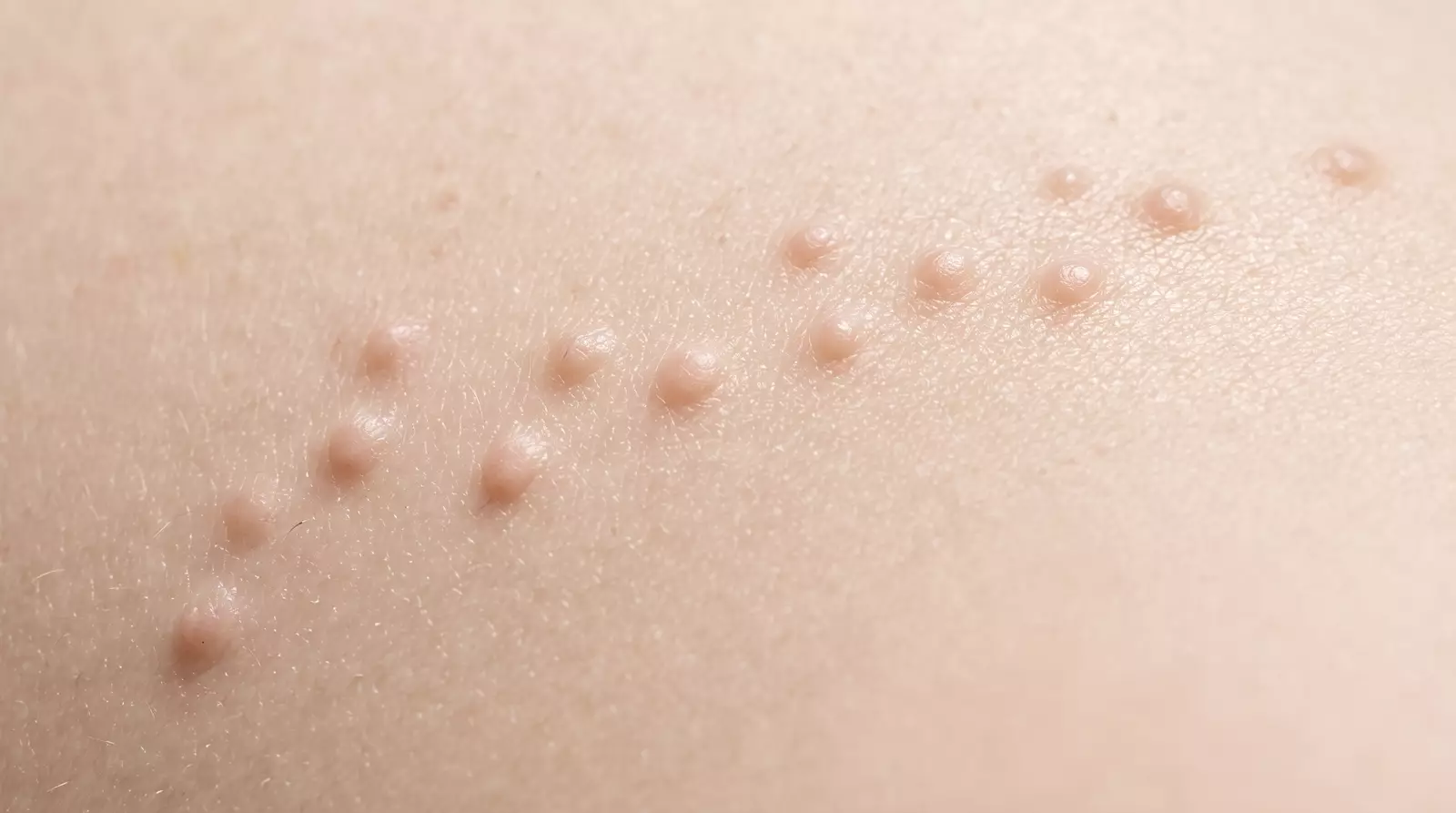
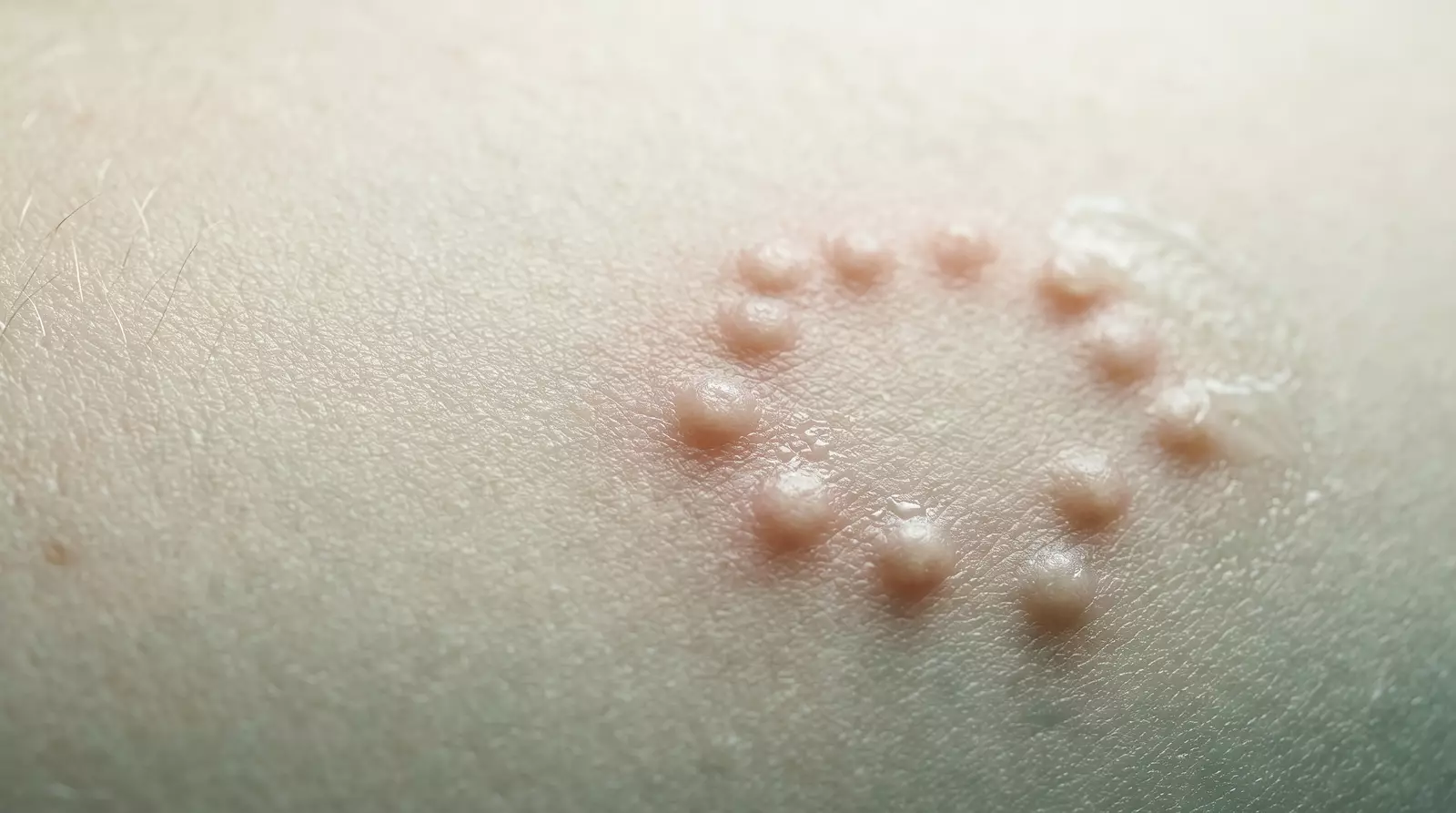
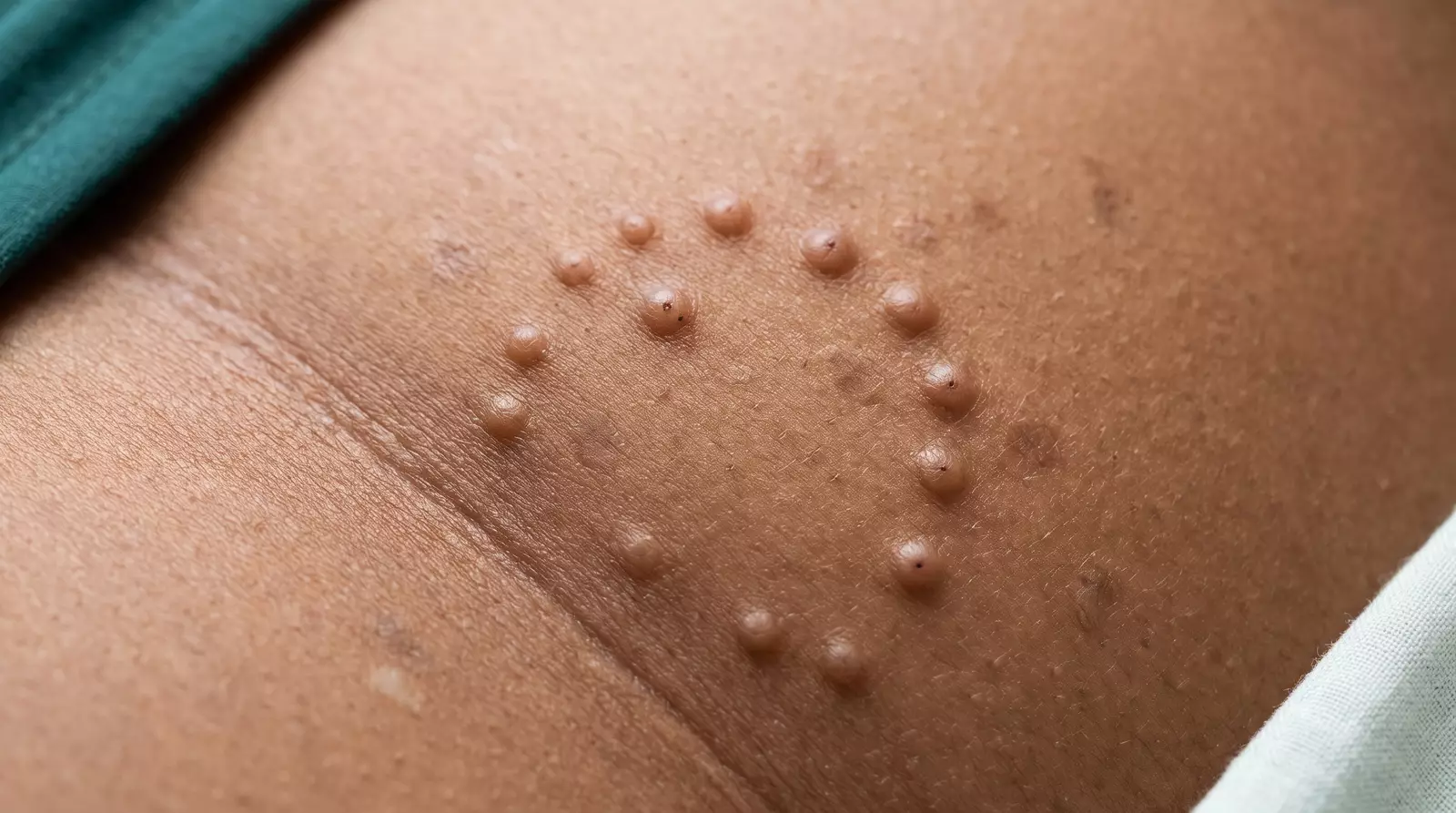
Fungal acne is the common name for Malassezia folliculitis, a condition where the yeast that normally lives on your skin overgrows inside hair follicles and causes itchy, uniform bumps. Dermatology reviews describe the bumps as monomorphic, meaning they look alike, and note that they itch and sit in oily zones such as the forehead, hairline, upper chest, and back (the 2025 review). One feature matters more than the rest, because fungal acne usually has no comedones, so you won’t see the blackheads and whiteheads that define ordinary acne (the 2025 review).
The condition is a well-known mimic, and a review of 110 confirmed cases found that 75% of patients had already been through acne care without success before the correct diagnosis (the 2018 case series). Risk factors include hot and humid weather, hair follicle occlusion, and a weakened immune system (the 2026 review). None of that gives you a way to diagnose yourself, but it does explain why so many people end up comparing fungal acne with every other bump-producing rash on the face.
Why can’t a mirror tell you which one you have?
A mirror can show you where the bumps sit and whether they itch, but it can’t show you what is happening inside a follicle, which is the level where these conditions differ. The same review notes that fungal acne is often mistaken for acne vulgaris and other skin conditions, which is why diagnosis relies on a clinical exam and sometimes a scraping or microscopy (the 2025 review). A dermatologist may also ask what you’ve used on the area, because a product history can change the picture.
Perioral dermatitis is a different diagnosis that a dermatologist makes in person, and the distinction matters because the care that follows depends on which problem you actually have. We don’t diagnose, and we won’t hand you a checklist to self-diagnose, because a wrong guess can cost months. If you’ve already tried a standard acne routine and the bumps haven’t budged, that history is useful for your appointment, not proof of one condition. The same goes for a routine that seemed to help at first and then stopped working.
Why does the location of the bumps matter?
Fungal acne prefers oily zones such as the forehead, hairline, upper chest, and back, while perioral dermatitis is named for the area around the mouth. Location is a clue rather than a verdict, because both can appear on the face and neither respects a neat border. A breakout that stays in the oily zones and refuses to budge is worth a closer look, and so is a rash that keeps returning to the same patch around the mouth.
The existing guide to small bumps on the face that aren’t acne covers the wider list of look-alikes and how they differ. This piece stays with the comparison you searched for, and it focuses on the part you can act on before an appointment: the ingredient list.
What can you check on a label while you wait?
You can check whether a product carries fats that the yeast can use, because that part of the puzzle doesn’t depend on a diagnosis. The dataset behind this site flags a fat when it carries a chain length the yeast can absorb, because the yeast’s own lipases can free it from the ingredient. Lab work on the yeast’s lipase and esterase enzymes explains why some fats are available and others aren’t (Mayser et al. 1995; Brunke and Hube 2006).

Whole oils such as coconut oil and olive oil are flagged, while squalane and caprylic/capric triglyceride come back with no known trigger because their fat chains fall outside the usable range or carry no double bonds. Isopropyl myristate is flagged as Trigger · moderate evidence, because the yeast’s lipases can split the ester and free the fat it carries. Cetyl alcohol and cetearyl alcohol are flagged as Trigger · limited evidence, and the dataset says the direct feeding proof is thin. Polysorbate 20 and Polysorbate 80 are flagged as Trigger · moderate evidence because lab work shows the yeast taking the laurate or oleate tail.
On the neutral side, glycerin, dimethicone, niacinamide, and salicylic acid all carry no known trigger in the dataset. None of this tells you whether your bumps are fungal, and a product with no known triggers can still irritate your skin. If you want a starting point, the catalog’s moisturizer and cleanser pages list products whose full ingredient lists passed the same screen.
How do you read an ingredient list without guessing?
Start at the top of the list, where the largest shares sit, and read the full ingredient list rather than the front label. Then check each name against the dataset instead of trusting a marketing phrase such as fungal acne safe, which is a community label rather than a medical clearance. The phrase usually means a product has no ingredients the dataset flags, and it doesn’t promise your skin will tolerate the product or tell you whether your bumps are fungal.
- Scan the first five ingredients for oils, esters, and waxy long-chain names.
- Paste the complete list into the ingredient checker instead of judging from the front of the bottle.
- Read the verdict and the evidence level together, not just the color of the result.
- Change one product at a time so you can tell what actually made a difference.
If a product is not in the catalog, you can still check its list, and you can use the methodology page to see how each verdict is built. The goal is a cleaner baseline for your appointment, not a home diagnosis.
What do the evidence labels mean?
The dataset uses three labels: Trigger · strong evidence, Trigger · moderate evidence, and Trigger · limited evidence. Strong means the link between the ingredient and yeast feeding is well supported, moderate means laboratory or clinical work points that way, and limited means the structure looks suspicious but the direct proof is thin. The label is a description of the evidence, not a ranking of how much a product will bother your skin.
That distinction matters when you compare lists across websites, because many pages present every flagged name as equally certain. A cautious reader can use the evidence level to decide what to remove first, and a limited-evidence flag is a reasonable thing to mention at an appointment rather than a reason to panic.
What should you note before a dermatologist appointment?
Bring a short, factual history: where the bumps started, whether they itch, what products and prescription creams you’ve used, and how long the problem has lasted. That history helps a dermatologist decide what to examine, and it saves you from starting over with a new clinician. Photos from the first week are useful too, because a flare can look different on the day of your visit.

- Where the bumps sit and whether they stay in one zone
- Whether they itch, sting, or feel tender
- Whether you can see blackheads or whiteheads in the same area
- Every product on the area, including prescription creams and cleansers
- How long it has been going on and what you have already tried
Keep the list short and specific, and leave out the story of every product you have ever owned. A clinician can move faster with five clear facts than with a long history that repeats the same point.
When should you stop guessing and book an appointment?
Book an appointment when the bumps are spreading, painful, leaving marks, or not changing after a reasonable trial of a gentle routine. Fungal acne can persist for months without the right care (the 2026 review), and the review of 110 cases found that many patients had already spent time on acne products that didn’t fit the actual problem (the 2018 case series). A dermatologist may prescribe antifungal treatment when the picture fits fungal acne, and that decision rests on an exam rather than a label (the 2023 position statement).
If you’re dealing with a different rash, the same visit can set you on the right path instead of another month of guessing. The appointment is also the place to ask about anything that has been getting worse, because a changing rash is a reason to seek care rather than a reason to try one more product.
Does a no-known-trigger routine help either way?
A gentle routine with no known triggers is a reasonable baseline while you wait, because it removes one variable without pretending to settle the diagnosis. Fungal acne care focuses on reducing the fats that feed the yeast and using antifungal products when a clinician recommends them, and the published recommendations stress confirming the diagnosis before starting antifungal treatment (the 2023 position statement). A dermatologist will tailor care to the actual diagnosis, so a strict fungal acne routine is not a substitute for an exam.
Keep the routine simple: a gentle cleanser, a moisturizer with no known triggers, and a mineral sunscreen if you need one. The ingredients to avoid guide goes deeper on the flagged groups, and the checker is the faster route when you’re standing in a store. If a product stings or makes the area worse, stop using it and note the reaction for your appointment.
Quick answers
Fungal acne or perioral dermatitis
Can fungal acne and perioral dermatitis look alike?
Both can show up as bumps around the face, which is why people compare them. A dermatologist is the person who can tell them apart in person, and a label check cannot do it.
Does fungal acne always itch?
No. Itch is common and the reviews describe the bumps as itchy, but the absence of itch does not rule it out. A dermatologist looks at the whole picture.
Which ingredient should I check first?
Start with the oils and esters near the top of the list, because those are the fats the yeast can use. The checker flags each name and gives the evidence level.
Can a label check tell me which condition I have?
No. A label check only tells you whether a product carries a known trigger. It cannot see inside a follicle or distinguish one rash from another.
When should I see a dermatologist?
See one if the bumps are spreading, painful, scarring, or not improving after a gentle routine. A dermatologist may prescribe antifungal treatment if the exam fits fungal acne.
What does no known trigger mean?
It means the dataset found no evidence that the ingredient feeds the yeast. It does not promise your skin will tolerate it, and it is not a diagnosis.