· Skinlazia team · Guides · 7 min read
Malassezia Scalp: The Yeast Behind Dandruff
Malassezia on the scalp is the same oil-loving yeast behind dandruff and fungal acne. Here is what feeds it there and how to screen your shampoo.
Malassezia is the yeast that lives on most scalps, and it eats the fats your skin makes. When it grows past its usual level it shows up as dandruff, an oily and itchy scalp, and sometimes the small uniform bumps people call fungal acne. The ingredient rule that holds it back on your face works the same way on your head, so the check you run on a moisturizer is worth running on your shampoo too.
See our medical disclaimer for details.
Scalp care gets left out of most fungal acne conversations, even though the scalp is one of the oiliest places this yeast can live. What follows is a plain look at why it likes the scalp, how the fats in a bottle feed it, and how to read a shampoo label the way the dataset reads it.
What is Malassezia, and why does it live on the scalp?
Malassezia is a yeast that lives on the skin of most healthy adults, and the scalp suits it because the scalp carries more oil glands than almost anywhere else on the body. It belongs to the normal skin community rather than arriving as an invader, and it turns into a problem only when its numbers climb (the 2025 commensal review). The same organism sits behind dandruff and the condition dermatologists call Malassezia folliculitis, which is the name clinicians prefer over the nickname fungal acne (the 2026 review).
Malassezia settles in the oily zones, so it turns up on the scalp, the face, and the upper chest and back, the places where sebaceous glands run dense (the 2020 disease review). It cannot build its own fats, so it depends on the oils already sitting on your skin and pulls what it needs straight from sebum (the 2023 Malassezia review). That single fact explains almost everything that follows, because a yeast that lives on fat responds to the fat around it.
Why does Malassezia overgrow on the scalp?
The yeast grows when the scalp offers it more usable fat, or when something shifts the balance of the skin community so that it outcompetes its neighbours. Most people assume an oily scalp is the whole story, but the makeup of the oil matters as much as the amount, since the yeast can only take up certain fats and ignores the rest (the 2023 Malassezia review).
The dataset behind this site puts the usable range at roughly eleven to twenty-four carbons, which is why lauric acid and myristic acid sit in the middle of the chart while much shorter fats pass straight through (the 2012 genus review). Warmth, sweat and tight headwear can push the scalp toward a damp and occluded state, and the clinical reviews list those conditions among the reasons a case flares (the 2026 review). Stress and a changed skin barrier get mentioned for the same reason, because both can nudge the local balance away from the returning yeast.
What does Malassezia on the scalp look like?
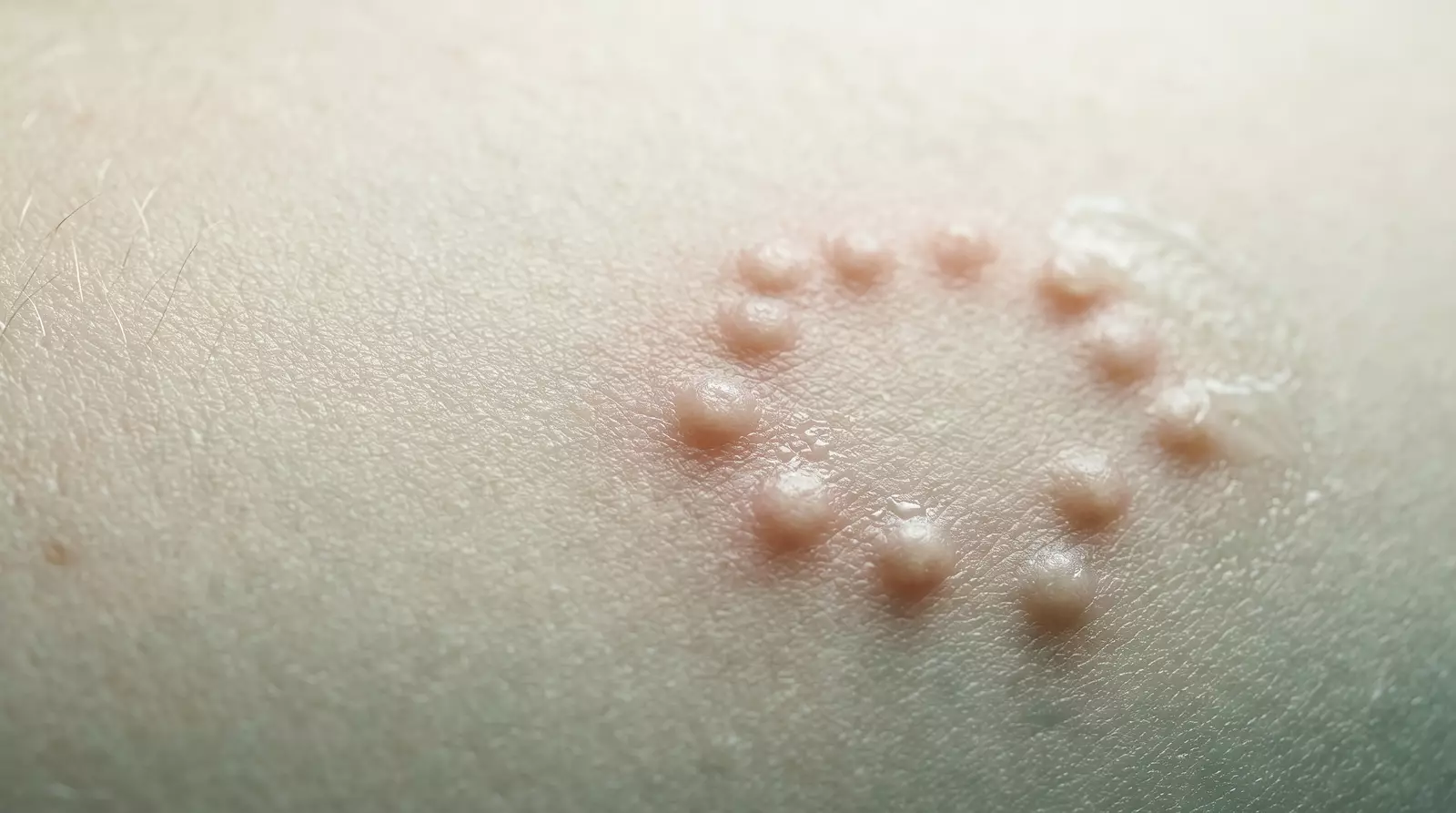
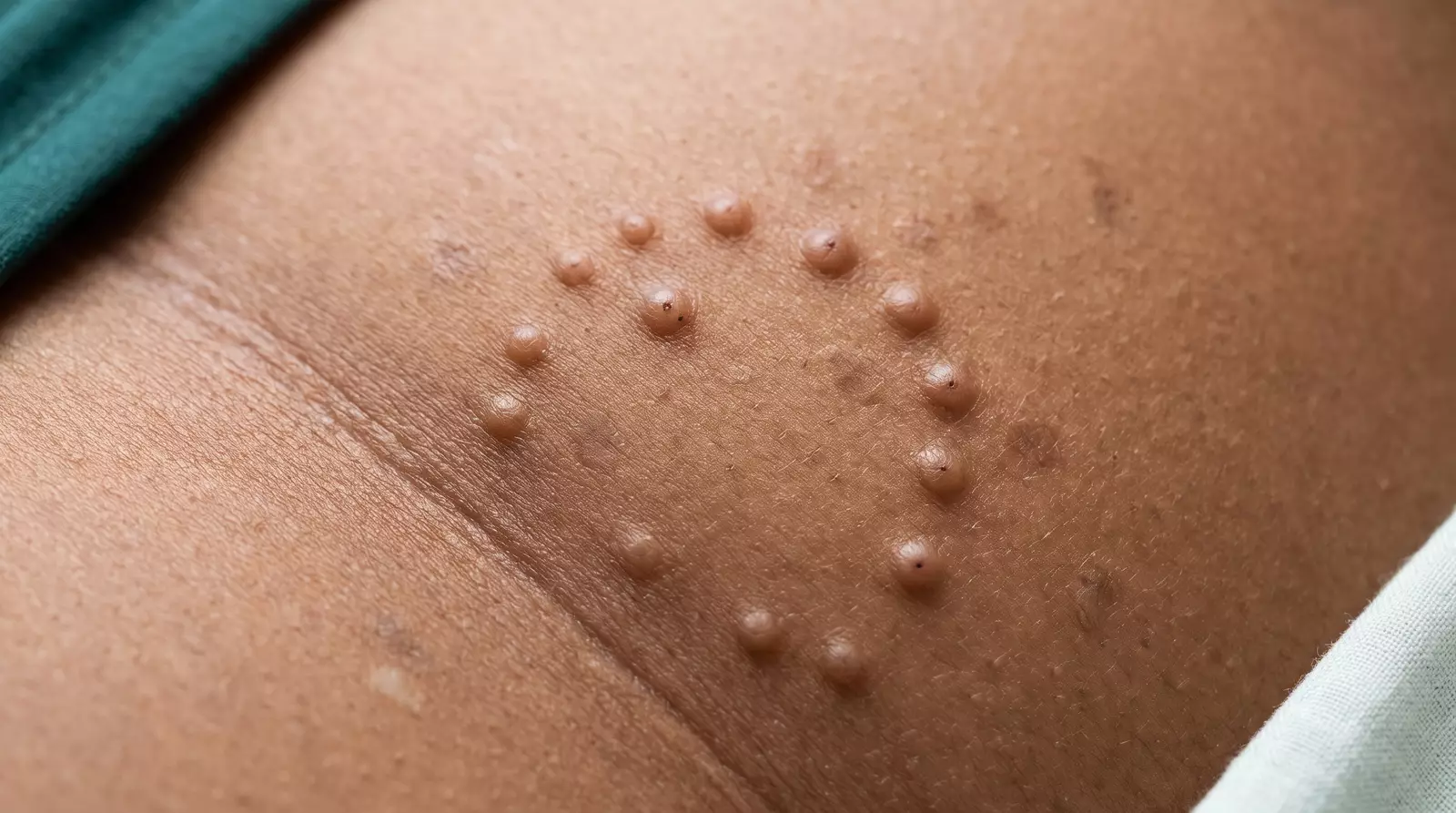
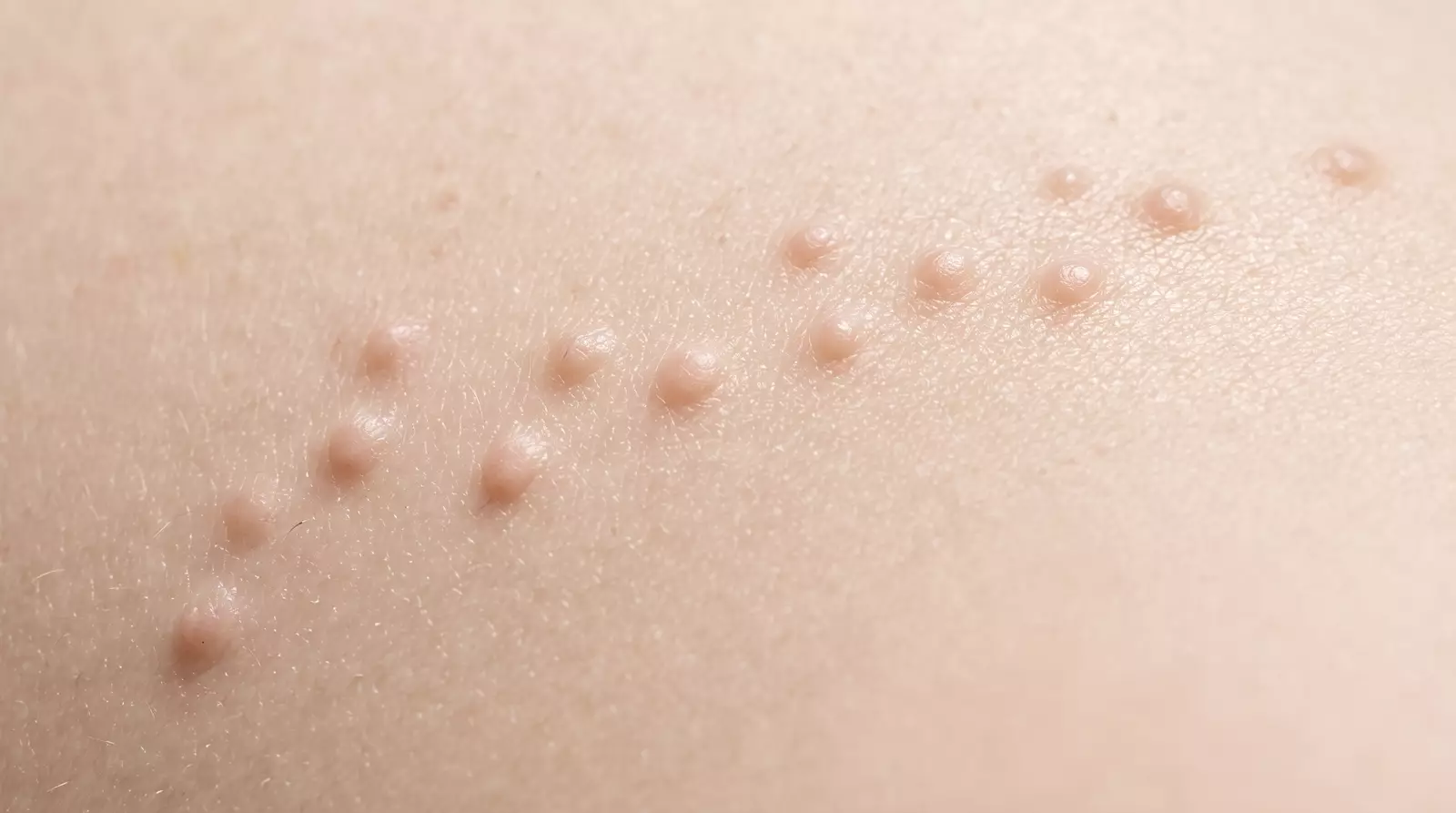
On the scalp, Malassezia overgrowth usually shows as greasy flakes, itching and an oily feel, which is the everyday picture of dandruff and of seborrheic dermatitis (the 2020 disease review). Some people get small, itchy, uniform bumps along the hairline instead, and those fit the folliculitis pattern rather than the flaking one (the 2026 review). A mirror can’t separate this from the many other scalp problems that look alike, and clinicians miss it often enough that the reviews keep flagging the gap (the 2025 mimicker review, the 2018 case series). If your scalp is painful, bleeding or losing hair, that is a reason to book an appointment rather than to buy another bottle.
Is scalp Malassezia the same yeast as fungal acne?
Yes, the yeast that drives facial fungal acne is the same group that lives on your scalp, so an oily scalp can keep re-seeding the skin below it. Several species live on people, and the ones found most often on the scalp and face are Malassezia globosa and Malassezia restricta (the 2025 commensal review). The nickname fungal acne describes the bumpy folliculitis flare, not a different organism, which is why a scalp routine and a facial routine draw on the same fat rule (what fungal acne safe actually means).
What in a scalp product feeds Malassezia?
The same fat rule that governs a face product governs a shampoo, so any ingredient that hands the yeast an absorbable fat is a possible meal, while ingredients with no such fat are not. The yeast releases lipases and esterases that cut triglycerides and esters apart, freeing the fatty acids hidden inside, and that cutting step is documented in its own enzymes (the 2006 lipase study, the 1995 ester study). A rinse-off shampoo spends seconds on the scalp, which makes a flagged name there a smaller issue than the same name in a leave-on serum, though the dataset still marks it.
| Ingredient | Where it turns up in a scalp product | Dataset verdict |
|---|---|---|
| Coconut oil | Botanical oils and old-style scalp blends | May trigger |
| Oleic acid | Olive and other high-oleic oils | May trigger |
| Isopropyl myristate | Light esters that give a dry, silky feel | May trigger |
| Cetyl alcohol | Creamy thickener in conditioner | May trigger, limited evidence |
| Squalane | Light emollient in scalp serums | No known trigger |
| Caprylic/capric triglyceride | Light fat in scalp oils | No known trigger |
| Dimethicone | Slip and shine in conditioner | No known trigger |
| Salicylic acid | Flake-shedding shampoo active | No known trigger |
The pattern to notice is that the same word can hide the difference. A “coconut-derived” cleanser may be built from caprylic/capric triglyceride, whose eight and ten carbon fats are too short for the yeast to absorb, while whole coconut oil brings the lauric and myristic fats it can use. Solubilisers follow the same logic, and the dataset gives Polysorbate 80 a may trigger verdict because it carries an oleate tail, the very fat that lab media for this yeast are built around. Reading the exact name is what separates the clean-looking stand-in from the real fuel, which is the whole reason this site scores names instead of categories.
How do you check whether your shampoo feeds it?
The check is the same one you would run on a moisturizer, and it comes down to reading the full ingredient list and scoring the exact names instead of the story on the front.
- Find the complete list on the back of the bottle or the brand’s own site, because the front panel rarely names anything useful.
- Score each exact name against a dataset, so that a vague word like natural gets judged by what the ingredient really is.
- Read the fats near the top of the list first, since they shape the formula most.
- Swap one product at a time and give your scalp a few weeks before you judge the change.
You can run the whole list through the ingredient checker, and the app does the same job on a shelf while you shop. Cleaning up the scalp usually starts with shampoos that carry no known triggers, and the methodology page explains how a name earns its verdict. The fuller list of ingredients to avoid for fungal acne covers the facial side of the same rule.
When should you see a dermatologist?
See a dermatologist if your scalp is painful, bleeds, loses hair, or keeps flaring after several weeks of a gentler routine. A dermatologist may prescribe antifungal treatment for a confirmed case, and the clinical guidance walks through the options in detail (the 2023 position statement). The ingredient work here is meant to run alongside that care rather than stand in for it, since a checker can read a label but cannot see your scalp.
What should you take away?
Malassezia is a normal scalp resident that becomes a nuisance when it gets too much of the fat it eats, and the fats arrive from two places: your own sebum and the products you leave behind. The biology is the same on the scalp as it is on the face, so the fat rule that guides a facial routine applies to your shampoo and conditioner without any change. Score the exact names, start with the fats near the top of the list, and take a stubborn, painful or hair-shedding scalp as a reason to see a dermatologist rather than to keep experimenting.
Quick answers
Is Malassezia on the scalp contagious?
No. Malassezia is a normal resident of human skin and lives on most adults, so it is not passed between people like an infection. It becomes a problem only when its numbers rise on a scalp.
Is scalp Malassezia the same as fungal acne?
It is the same family of yeast. The nickname fungal acne usually describes the bumpy folliculitis flare on the face and hairline, while the scalp version often shows as greasy flakes and itching.
Does an oily scalp mean Malassezia overgrowth?
Not on its own. Oil feeds the yeast, but the makeup of that oil and the balance of the scalp community both matter, so an oily scalp is one factor rather than a verdict.
Can a malassezia safe shampoo make a difference?
Screening the ingredient list can remove fats that feed the yeast, which may help settle a scalp over time. It does not replace care from a dermatologist for a stubborn or painful case.
Should I avoid every oil on my scalp?
No. The dataset gives short-chain fats such as caprylic and capric triglyceride no known trigger, because the yeast cannot absorb them, so the exact name decides rather than the word oil.
How often should I wash an oily scalp?
There is no single number that fits everyone, and washing more often does not feed the yeast by itself. What matters more is the ingredient list in the products you use and how your scalp responds.