· Skinlazia team · Guides · 9 min read
What Does Fungal Acne Safe Mean? A Plain Answer
Fungal acne safe is a community label for products with no known yeast-feeding ingredients. Here is what the phrase really means and how checkers decide.
Fungal acne safe is a community label for skincare that a checker has screened and found free of ingredients known to feed malassezia. The phrase grew up in forums, blogs and product roundups rather than in dermatology clinics, and it describes an ingredient list instead of promising anything about your skin. In plain terms it means the fats inside the formula sit outside the range this yeast can absorb and use as fuel.
See our medical disclaimer for details.
The term is useful but slippery, because it sounds like a guarantee and works more like a filter. Once you know what sits behind it, you can read any fungal acne safe product list with a healthy amount of skepticism and use it to sort a shelf instead of trusting it as a verdict on your skin.
Where did the term fungal acne safe come from?
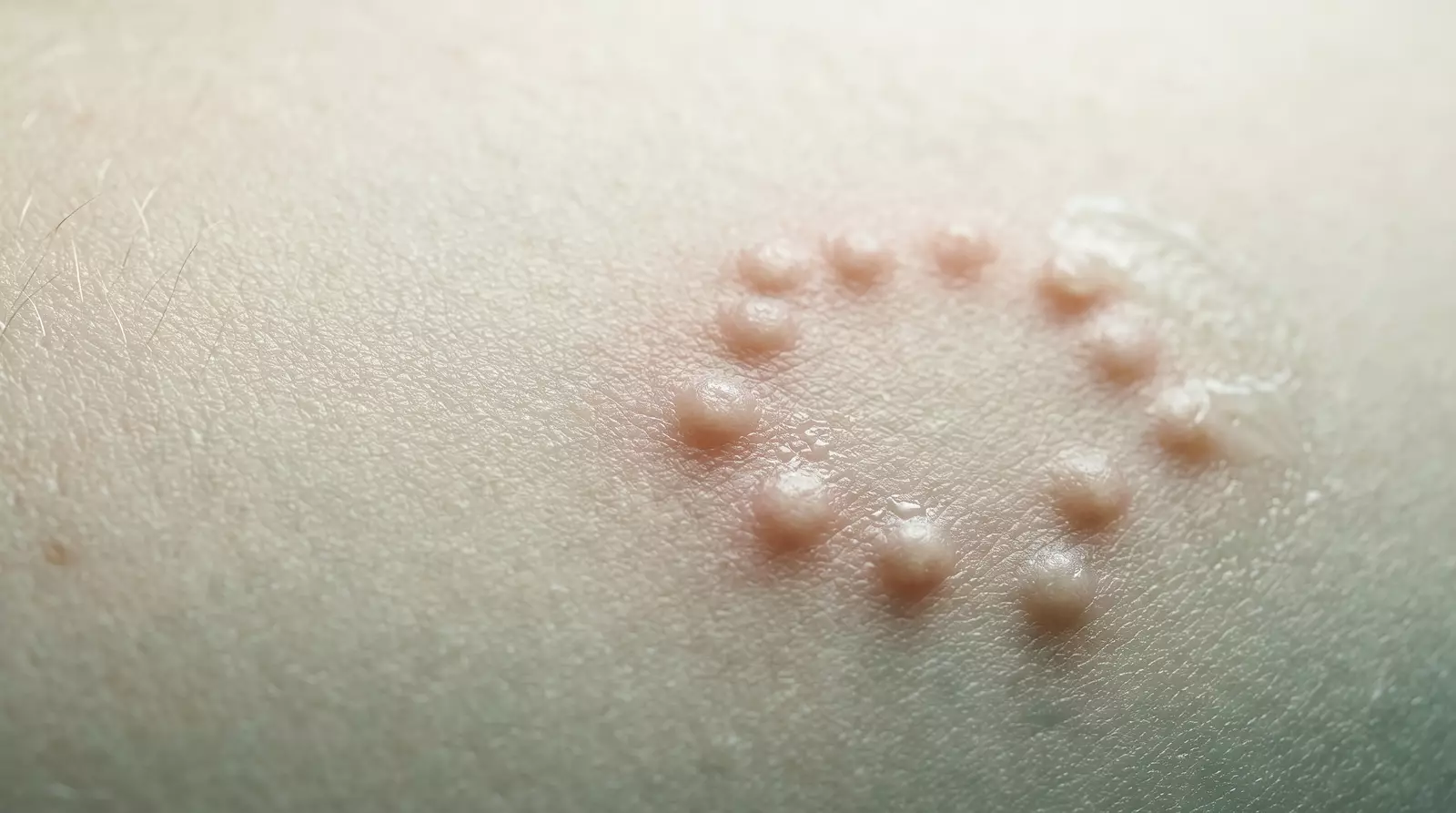
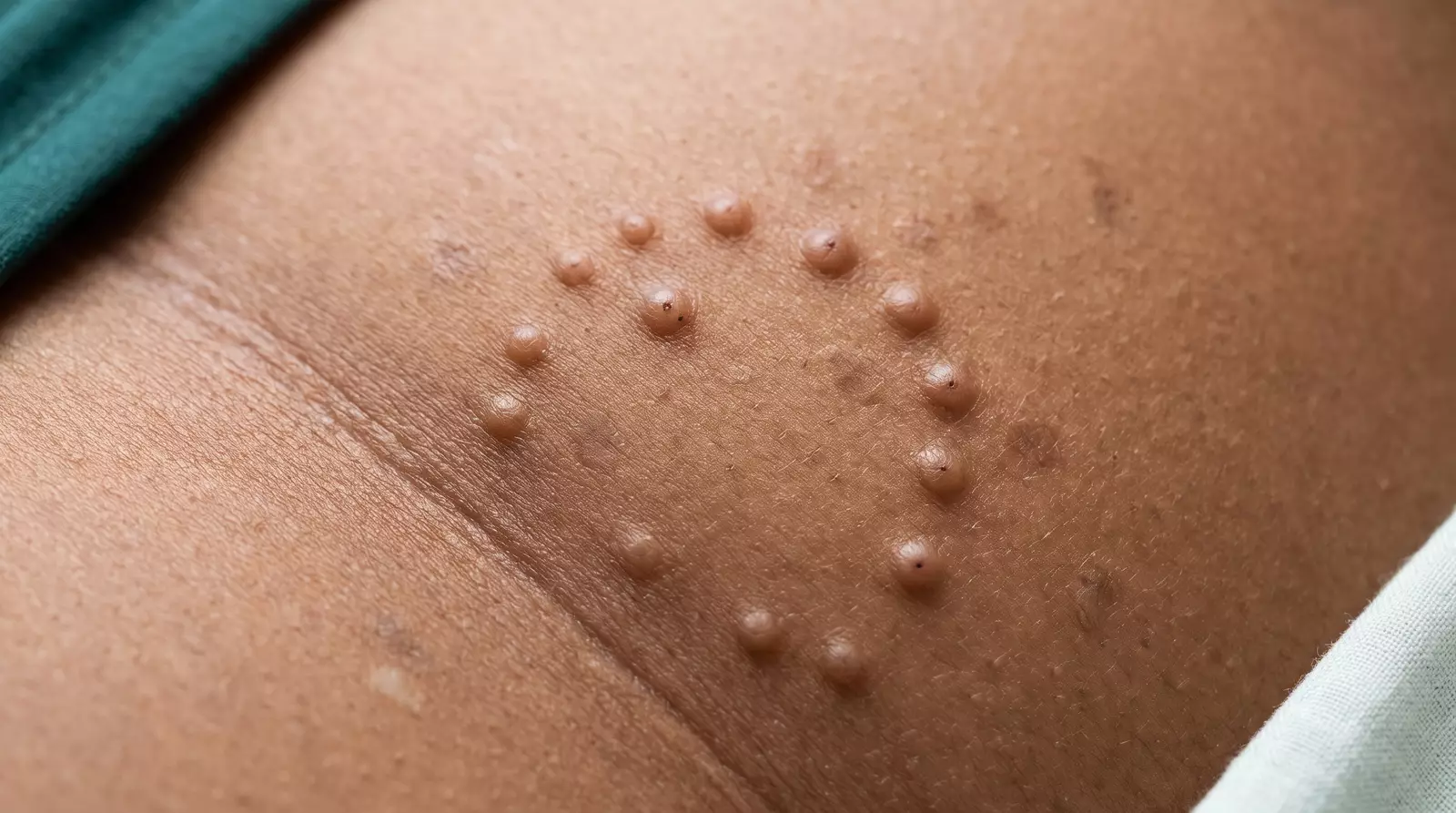
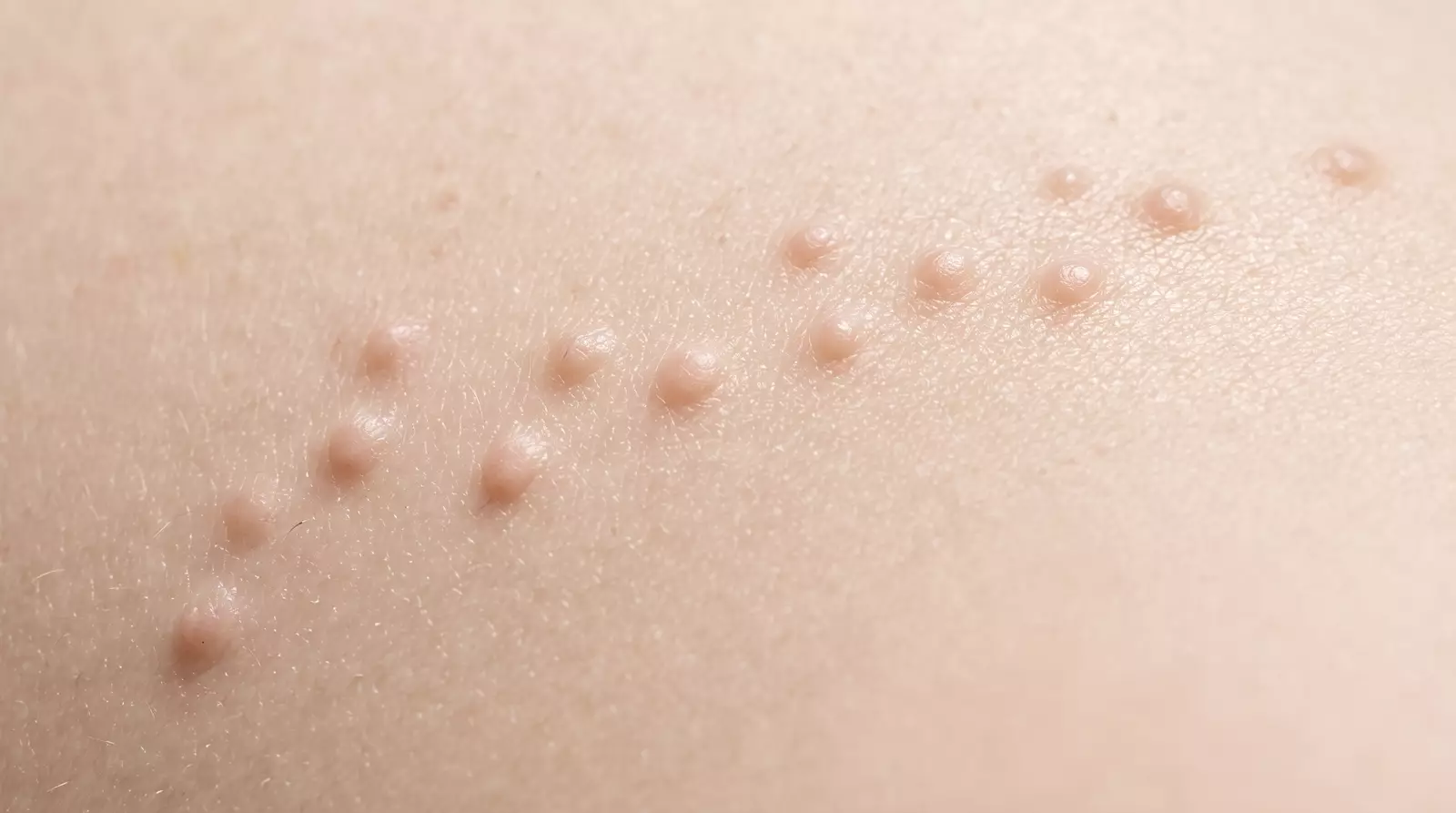
The term came from online skin communities rather than from dermatology, and no clinic, regulator or standards body owns it. It spread through acne forums, Reddit threads and beauty blogs as shorthand for “this product doesn’t list the ingredients my skin seems to hate”, and from there it moved into product roundups and ingredient checkers. The medical condition behind the nickname is Malassezia folliculitis, and the nickname itself is a loose label that gets applied to a range of itchy, uniform bumps (the 2026 Malassezia folliculitis review). Because the phrase has no formal definition, nobody enforces it, and every list that uses it decides for itself which ingredients count.
That loose ownership is the first thing to understand about it. A brand can print “fungal acne safe” on a page without checking a single INCI name, and a blogger can build a list from rules that were copied from another blogger. Our own dataset takes a narrower, named approach, and the method behind its verdicts is written out on the methodology page.
What does the label actually promise?
The label promises that the ingredients in the formula carry no known yeast-feeding fats, judged by whichever checker or list you happen to be reading. That is an ingredient-level statement, not a promise about the finished product or about your skin. It doesn’t confirm that your bumps are fungal, it doesn’t predict whether your skin will tolerate the formula, and it says nothing about how the product feels or how much it costs.
Two limits follow from that ingredient-level view. The first is concentration, because a flagged fat near the end of a long list sits at a tiny amount while the same fat near the top can shape the whole formula. The second is occlusion, since a heavy, airtight product can trap heat and moisture on the skin even when every single ingredient passes. A checker scores names, and a finished product on your face is a bigger system than a list of names.
How does a checker decide what counts as fungal acne safe?
A checker decides by asking one question about every ingredient, which is whether it hands malassezia a fat the yeast can absorb. Malassezia lives on skin, and it can’t swallow a whole oil or butter directly. Instead it releases lipases and esterases that cut triglycerides and esters apart and free the fatty acids hidden inside, and that cutting step is well documented in the yeast’s own enzymes (the 2006 lipase study, the 1995 ester study). The freed fatty acids are what the yeast then takes up and burns.
The size of the freed fat is what decides most verdicts. Our dataset’s own notes put the usable fat range at roughly eleven to twenty-four carbons, with the twelve-carbon lauric fat and the fourteen-carbon myristic fat sitting right in the middle of it. Fats of eight or ten carbons are too short for the yeast to take up, which is why a medium-chain oil can pass while a lauric-rich tropical oil fails. The table below maps a few chain lengths to the verdicts our dataset gives them.
| Carbon length | Example fat | Dataset verdict |
|---|---|---|
| 8 to 10 | Caprylic/capric triglyceride | No known trigger |
| 12 | Lauric acid | May trigger |
| 14 | Myristic acid | May trigger |
| 16 | Cetyl alcohol | May trigger, limited evidence |
| 18 | Oleic acid | May trigger |
The pattern shows up in whole oils first, because a plant oil is a bundle of triglycerides packed with exactly these mid-length fats. The dataset has coconut oil flagged because its lauric and myristic fats are released by the yeast’s own enzymes, and it gives olive oil the strongest evidence label of all, because selective lab media for this yeast are quite literally built by adding olive oil. Esters behave the same way while feeling light and hiding in long ingredient lists, which is why isopropyl myristate is flagged: the yeast’s lipases snip it apart and free the myristic fat inside. Polysorbate 80 carries an oleate tail, the same fat culture media are built around, so it sits on the flagged side too.
The waxy emulsifiers are flagged on thinner evidence. The dataset flags cetyl alcohol and stearyl alcohol with limited evidence, because each one mirrors a fat the yeast can use while direct proof that it feeds on the wax itself is thin. Nothing about any verdict is absolute, and the dataset is honest about that gap.
On the other side of the line, the ingredients that pass tend to fail the fat test for clear structural reasons. Squalane carries no known trigger while its unsaturated twin squalene is flagged, because the saturated form has no double bond for the yeast’s chemistry to use. Caprylic/capric triglyceride carries no known trigger because its eight and ten carbon fats are too short to absorb. Glycerin and hyaluronic acid carry no known trigger because they’re humectants with no fat structure at all. A nine-carbon diacid such as azelaic acid also sits below the usable range, and mineral oil, petrolatum and dimethicone come through clean as well, since a refined hydrocarbon and a silicone polymer offer no fatty acid and no ester bond to work with.
Why do some fungal acne safe lists disagree?
Some lists disagree because different checkers run different rules under the same popular name. One list might ban every plant oil outright, while our dataset scores the exact name and the exact fat it releases. That is how squalane carries no known trigger while its twin squalene is flagged, and how a short-chain coconut derivative can pass while the whole coconut oil is flagged. A third list might mark all coconut-derived names as guilty and flag a surfactant that never fed the yeast.
Marketing language adds to the confusion, because non-comedogenic, oil-free, fragrance-free and clean are all different claims from fungal acne safe. An oil-free product can still carry a waxy emulsifier the dataset flags, and a fragrance-free product can still be rich in olive oil. None of those words is a synonym for the label, and a product can carry several of them without carrying the one you actually want.
What does the label not mean?
The label is not a diagnosis, because the bumps people call fungal acne can also be ordinary acne, bacterial folliculitis or several other conditions that look alike, and a list of ingredients can’t tell them apart (the 2025 mimicker review). The label is also not a way to suppress the yeast, since avoiding a food source and fighting the yeast are two different jobs. Removing a fat from your routine may cut fuel without doing anything to the yeast itself, and a dermatologist may prescribe antifungal treatment for a confirmed case (the 2023 position statement).
It’s not a guarantee for your skin either, and individual variation is real. The same routine can calm one person and do nothing for the next, which is why the label works best as a starting filter rather than a final answer. Our dataset is careful to describe its verdicts as no known trigger, may trigger or flagged, and those are the words to trust over the sweeping “works for everyone” phrasing you’ll still see in comment sections.
How do you check whether a product fits the label?
You check a product by reading its full ingredient list and comparing each exact name against a dataset that gives a verdict per ingredient. The front label tells you almost nothing, since the marketing story is built to sell the product rather than describe it, and the back panel is where the real names live. Work through the fats near the top first, because they shape the formula, and check the exact name rather than the category, since coconut-derived can pass while a natural butter is flagged.
- Pull the complete ingredient list from the back panel or the brand site.
- Check each exact name rather than the category it belongs to.
- Score the fats near the top first, then the emulsifiers and waxy alcohols.
- Change one product at a time, and watch your skin for a few weeks.
You can run that whole pass by pasting an ingredient list into the ingredient checker, and the app does the same job on a shelf while you shop. If moisturizers are the core of your routine, start with the moisturizers with no known triggers and do the same sweep across your cleansers. Two siblings in this cluster are worth reading next, including the fuller list of ingredients to avoid for fungal acne and the roundup of malassezia safe moisturizers.
What should you remember about the phrase?
Fungal acne safe is a handy filter with a marketing-sounding name, and it means the ingredient list carries no known yeast-feeding fats as judged by the checker behind the list. It doesn’t diagnose you, it doesn’t suppress the yeast, and it doesn’t promise your skin will agree with the formula, so use it to narrow a shelf and lean on the exact verdict for each name. When a stubborn case continues, the next step is a dermatologist rather than another list.
Quick answers
What does fungal acne safe mean in simple terms?
It means the product's ingredient list carries no known yeast-feeding fats, as judged by the checker or list behind the label. It describes an ingredient list rather than your skin or a diagnosis.
Is fungal acne safe a medical claim?
The phrase came from online skin communities and has no formal definition, so no clinic or regulator owns it and no brand is required to check a single ingredient before using it.
Does fungal acne safe mean a product won't break me out?
It doesn't predict your skin's reaction, because individual variation, concentration and how airtight a formula is all shape what happens on your face. Use the label as a starting filter.
Why is squalane fungal acne safe when squalene isn't?
The dataset gives squalane no known trigger and has squalene flagged, because the saturated form carries no double bond that the yeast's chemistry can use as a fat source.
How do I know if my moisturizer is fungal acne safe?
Read the full ingredient list on the back panel, then check each exact name rather than the category. Paste the list into the ingredient checker if you want a verdict name by name.
Is fungal acne safe the same as oil-free?
Oil-free is a marketing claim about a formula, while fungal acne safe is a verdict on how each ingredient feeds the yeast, and an oil-free product can still carry a flagged emulsifier.